
2026 Democratic Primaries Expose Party's Post-2024 Struggles
Early 2026 Democratic primary contests are revealing whether the party absorbed lessons from its 2024 election losses.
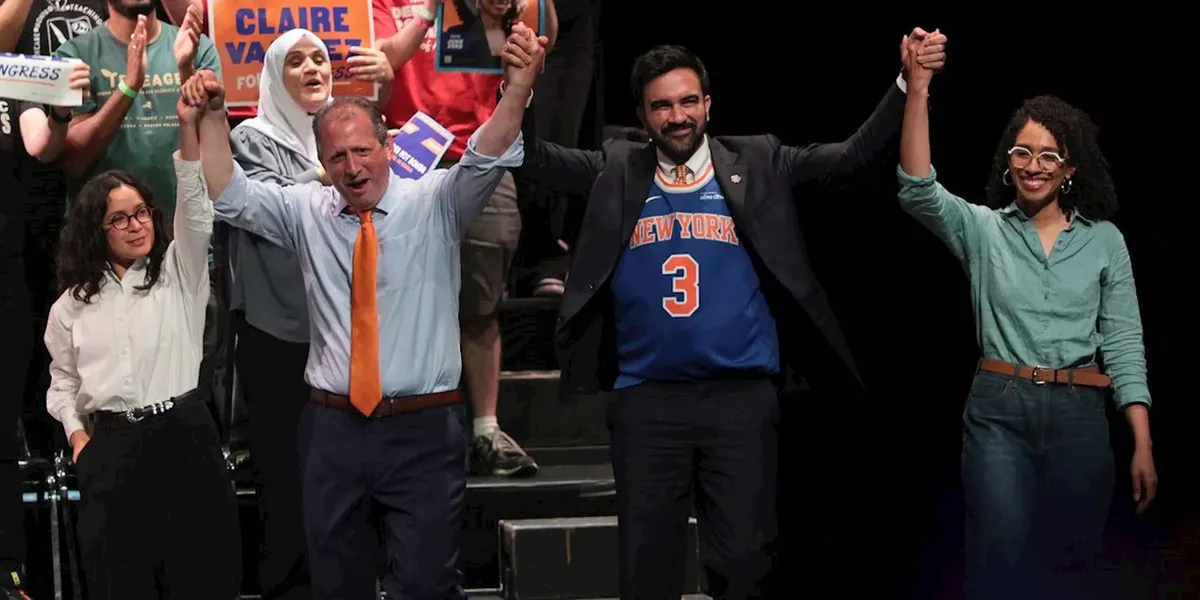
Democratic primary races taking shape ahead of the 2026 midterms are drawing renewed scrutiny to the party's official post-mortem following its 2024 electoral defeats, with critics arguing the internal review failed to produce meaningful strategic change. The Democratic National Committee released an autopsy-style analysis after the 2024 cycle intended to diagnose why the party underperformed, but early primary dynamics suggest many of those findings have not been translated into action on the ground.
The emerging primary contests are functioning as an early stress test for Democratic leadership, exposing fault lines between establishment-aligned candidates and challengers pushing for a sharper departure from the party's recent approach. Observers have pointed to candidate recruitment, messaging strategy, and voter outreach infrastructure as areas where the autopsy's recommendations appear to have stalled or been ignored entirely.
Read more Cargo Ship Attacked in Red Sea Amid Fragile US-Iran Ceasefire →
The disconnect between a formal party review and actual primary-level behavior is not a new phenomenon in American politics, but the stakes heading into a midterm cycle — when the opposing party traditionally faces headwinds — make the gap particularly consequential for Democrats hoping to retake congressional majorities. Internal party reform efforts have historically struggled to overcome entrenched donor networks and incumbent protection instincts, both of which can blunt the impact of even well-intentioned post-election analyses.
Whether 2026 primaries ultimately vindicate or refute the DNC's self-assessment will likely depend on outcomes in a handful of competitive districts where candidate quality and grassroots energy will be directly tested by voters. The results could either validate calls for deeper structural reform or give party leaders cover to defend the status quo heading into the general election season.
Continue reading at headtopics (commondreams).