9/11's Call to Service: The Price Veterans Paid 25 Years Later
A generation of Americans answered 9/11 by enlisting. Two decades on, reporters examine what that sacrifice truly cost them.
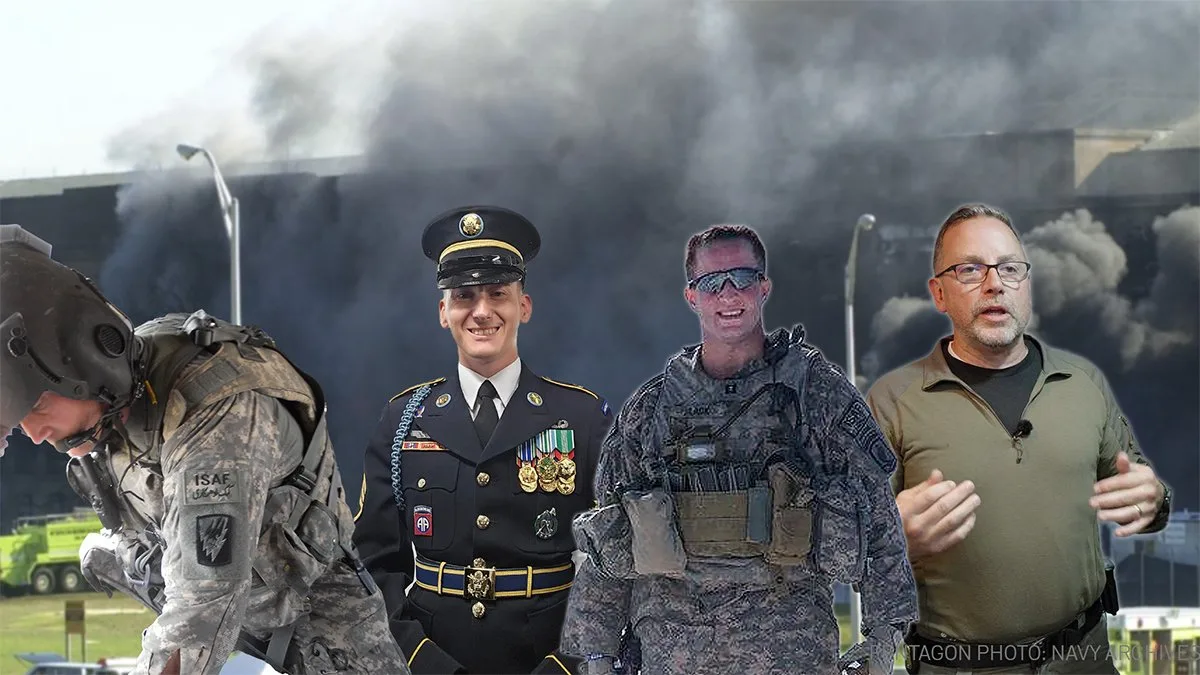
Twenty-five years after the September 11 attacks reshaped the United States, journalists Ted Oberg and Rick Yarborough at NBC DFW are turning the lens on the men and women who responded to that national trauma by choosing military service — and asking what that choice ultimately demanded of them and their families.
The September 11 attacks triggered one of the most significant surges in voluntary military enlistment in modern American history, as patriotism and a collective desire to respond to the deadliest terrorist strike on U.S. soil drove young Americans to recruiting offices across the country. For many, the decision defined the next decade or more of their lives, sending them into prolonged conflict in Afghanistan, Iraq, and beyond.
Read more Ukraine Open to Halting Energy Attacks After Trump Deal Claims →
Now, as the quarter-century mark approaches, the human costs of those wars are coming into sharper focus. Veterans who enlisted in the immediate aftermath of 9/11 are in their late 30s, 40s, and beyond — navigating the long-term physical, psychological, and economic consequences of sustained combat deployments, including injuries, PTSD, and the challenges of reintegrating into civilian life after years or even decades in uniform.
The reporting by Oberg and Yarborough invites Americans to reckon with a generational bargain struck in the shadow of national grief — one in which the burden of response fell disproportionately on a relatively small segment of the population while the broader public largely returned to daily life. That gap between those who served and those who did not has shaped veterans' communities ever since.
Continue reading at nbcdfw for the full investigative report from Ted Oberg and Rick Yarborough on the lasting costs borne by the 9/11 generation of service members.