AI Power Crunch Is Straining US Grid: Stocks to Watch
Morgan Stanley identifies key stocks poised to profit as surging AI energy demand pushes America's power grid to its limits.

America's electrical grid is buckling under the weight of artificial intelligence's voracious appetite for power, and Wall Street is already mapping out the winners. Morgan Stanley has flagged a select group of companies — including SpaceX — as prime beneficiaries of what analysts describe as an intensifying AI-driven energy shortage, signaling a structural investment opportunity across multiple sectors.
The strain on the US power grid is not a distant risk but an accelerating reality. Data centers powering AI workloads require enormous and continuous electricity supplies, straining regional grids that were never designed for this scale of concentrated demand. As AI adoption deepens across industries, that pressure is expected to compound, creating bottlenecks that could slow deployment without significant infrastructure investment.
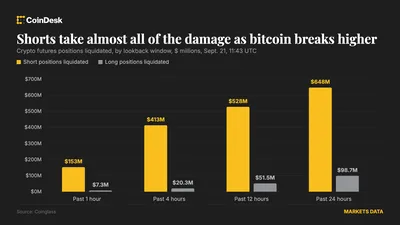
Read more Bitcoin Surges to $85,000 as Short Squeeze Wipes Out $648M in Bearish Bets →
Morgan Stanley's analysis positions SpaceX alongside a broader roster of potential beneficiaries, though the bank's full list spans companies tied to power generation, transmission, and next-generation energy solutions. The inclusion of SpaceX underscores how the energy crunch is radiating into sectors not traditionally associated with utilities, as satellite-based connectivity and low-latency computing become intertwined with AI infrastructure needs.
For investors, the thesis is straightforward: whoever solves the power problem stands to capture outsized returns as AI spending scales. The grid shortage narrative has already begun reshaping capital flows into energy infrastructure, with utilities, nuclear operators, and industrial equipment makers drawing fresh institutional attention. Morgan Stanley's framing adds analytical weight to a trade that has been gaining momentum among both growth and value-oriented portfolios.
Continue reading at MarketWatch.com