
Aortic Dissection Killed Lindsey Graham: Know Your Risk
The rare but deadly heart condition that claimed Lindsey Graham's life carries elevated risk for those with genetic predispositions or family history.
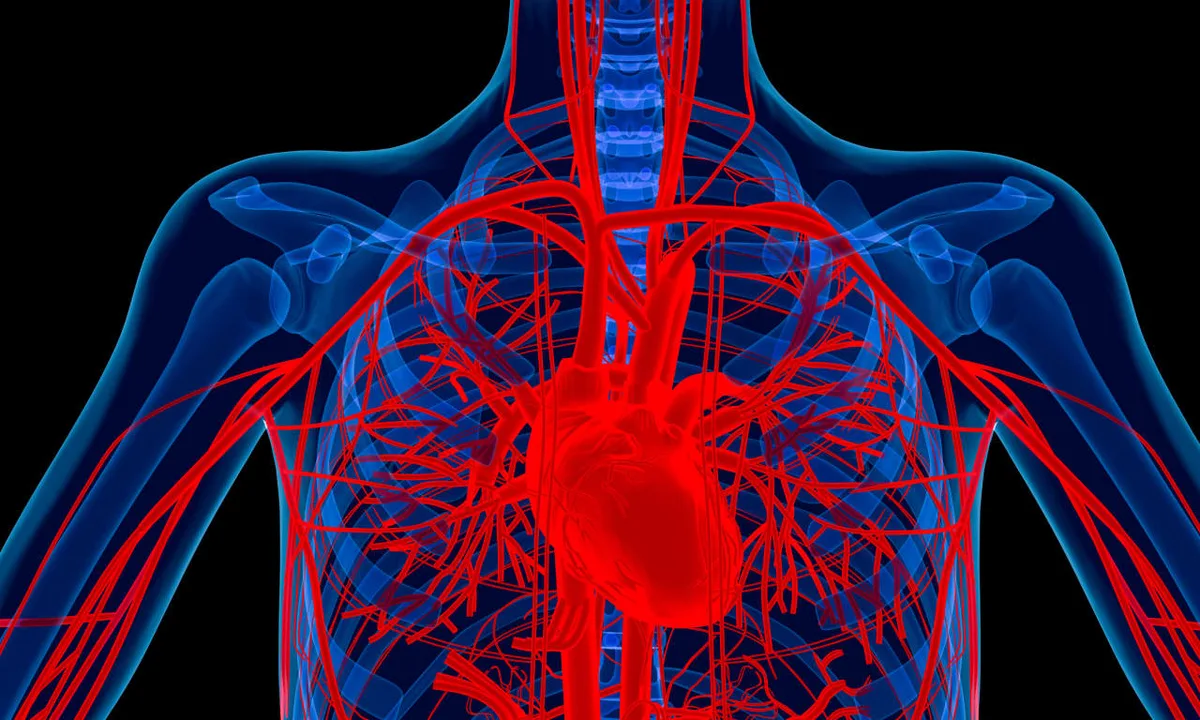
Lindsey Graham, the longtime U.S. senator from South Carolina, died from an aortic dissection, a rare and often fatal cardiovascular emergency in which the inner layer of the body's largest artery tears, allowing blood to surge between the vessel's layers. The condition strikes with little warning and can be fatal within hours if not treated immediately, making it one of the most dangerous cardiac events a person can experience.
Aortic dissections are considered extremely uncommon in the general population, but certain groups face a significantly higher chance of developing the condition. People who carry a family history of aortic disease or who have been diagnosed with specific genetic syndromes — such as Marfan syndrome or Ehlers-Danlos syndrome — are at meaningfully greater risk than the average person. These inherited conditions can weaken the connective tissue that forms the arterial wall, setting the stage for a catastrophic tear.
Read more Smartwool Clearance Sale at Backcountry Cuts Prices Up to 50% →
Beyond genetics, longstanding and poorly controlled high blood pressure is widely recognized as a major contributing factor in aortic dissection cases. The constant mechanical stress that hypertension places on arterial walls can degrade their structural integrity over time, raising the likelihood of a sudden rupture or dissection even in patients who show no outward symptoms beforehand.
For individuals who know they carry genetic risk factors, cardiovascular specialists generally recommend regular imaging surveillance and proactive management of blood pressure. Early detection through echocardiograms or CT scans can identify dangerous enlargements of the aorta — known as aneurysms — before they progress to a life-threatening dissection, offering a critical window for preventive intervention.
Continue reading at MarketWatch.com