
Big Tech Keeps All AI Profits Built on Your Personal Data
Tech giants are monetizing user data to fuel the AI boom while paying users nothing. Advocates say it's time to reclaim a share.
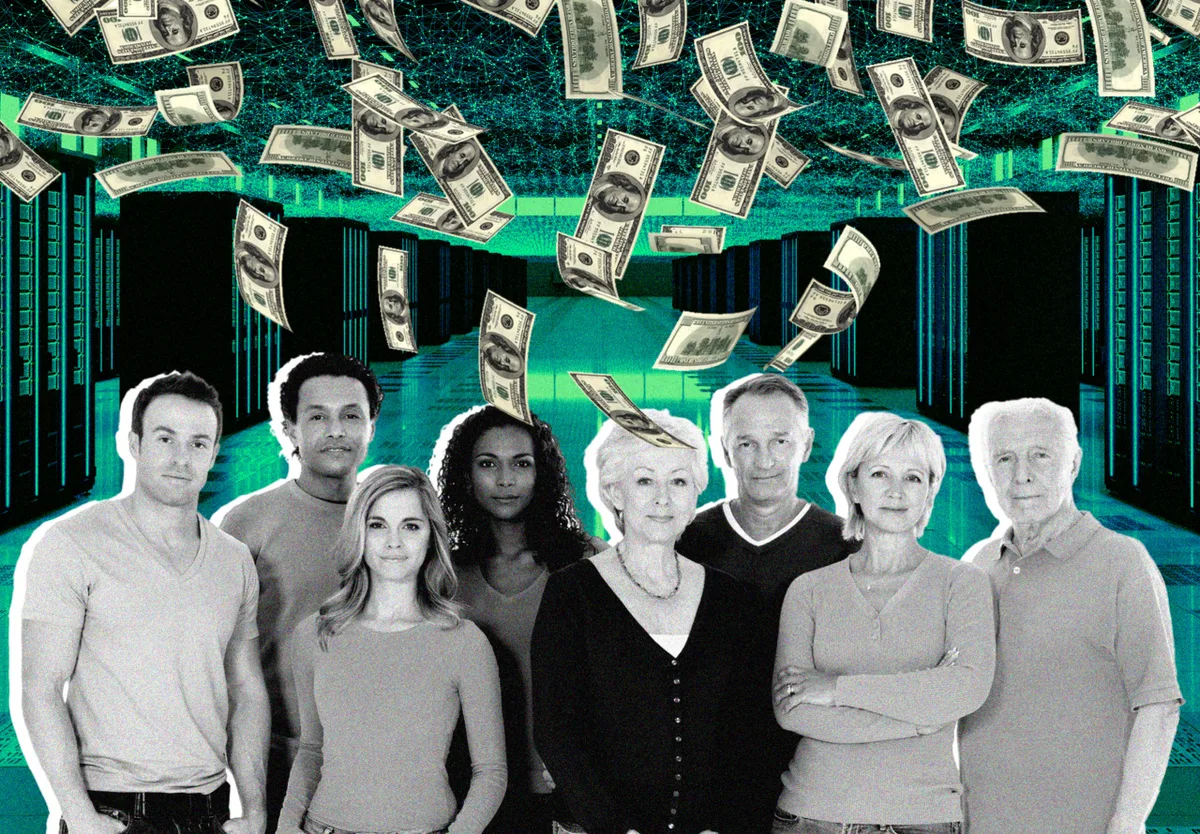
American consumers generated the data that trained the world's most powerful artificial intelligence systems, yet every dollar of equity created by that AI boom flows exclusively to Big Tech shareholders — a structural imbalance that a growing number of economists and policy advocates say must be corrected now.
The argument is straightforward: without the billions of search queries, social posts, photos, messages, and behavioral signals ordinary people produced over two decades, large language models and generative AI tools simply could not function at the level they do today. That raw material — essentially donated for free — became the foundation of trillion-dollar valuations at companies like Microsoft, Google, and Meta.
Read more Five NATO Allies Set to Exceed 3.5% GDP Defense Spending in 2025 →
Proponents of data compensation frame the issue not as a government handout but as a property right. If your data is the input that generates measurable commercial value, the logic goes, you are an uncredited contributor to that value and deserve a proportional return. Some proposals envision data dividends paid directly to users, while others suggest collective bargaining mechanisms or public data trusts that negotiate on behalf of citizens.
The policy window may be opening. Several states have moved to strengthen consumer data-privacy laws, and federal lawmakers have floated legislation that would require platforms to disclose the commercial value they derive from user information. Critics of such measures argue that pricing data is technically complex and that regulatory overreach could slow innovation, but supporters counter that the current arrangement — in which users receive a free service in exchange for unlimited data extraction — was negotiated without informed consent and at terms that no longer reflect AI's staggering economic upside.
The debate cuts to the heart of who owns the digital economy and who should benefit from its next chapter. Continue reading at MarketWatch.com