Birthright Citizenship Rights Face Legal and Policy Battles
Efforts to curtail birthright citizenship are drawing legal challenges and renewed public debate across the country.

Birthright citizenship — the constitutional guarantee that nearly all people born on U.S. soil automatically acquire American citizenship — has become one of the most contested legal flashpoints in recent immigration debates, with advocates, lawmakers, and courts wrestling over its scope and future.
The Fourteenth Amendment, ratified in 1868, forms the bedrock of birthright citizenship in the United States, stating that all persons born or naturalized in the country and subject to its jurisdiction are citizens. Legal scholars have long considered this protection settled constitutional law, yet political pressure to reinterpret or limit it has intensified in recent years.
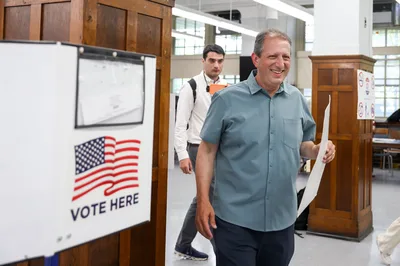
Read more Brad Lander's Congressional Bid Fractures NYC Democratic Labor Alliance →
Civil liberties organizations and immigration advocates have moved aggressively to defend the existing standard, arguing that any executive or legislative attempt to narrow birthright citizenship would require a constitutional amendment — a process requiring approval by two-thirds of Congress and three-fourths of states. Opponents of the current policy, however, contend that the amendment's phrase "subject to the jurisdiction thereof" allows for a narrower reading that could exclude children of undocumented immigrants or temporary visa holders.
The debate carries enormous real-world stakes. Hundreds of thousands of children are born in the United States each year to parents who are not permanent residents or citizens, and any change in policy could strip them of the citizenship status they currently hold at birth. Legal experts warn that court battles over any such change would be swift and likely reach the Supreme Court.
As federal and state-level actions continue to test the boundaries of immigration law, birthright citizenship stands as a defining question about who belongs in America and what the Constitution's promises actually mean. Continue reading at cbsnews.