
Car Dealerships Lean on Service Revenue as Profit Margins Shrink
As dealership gross profits slide from 2022 peaks, service and parts departments are becoming the industry's primary financial lifeline.
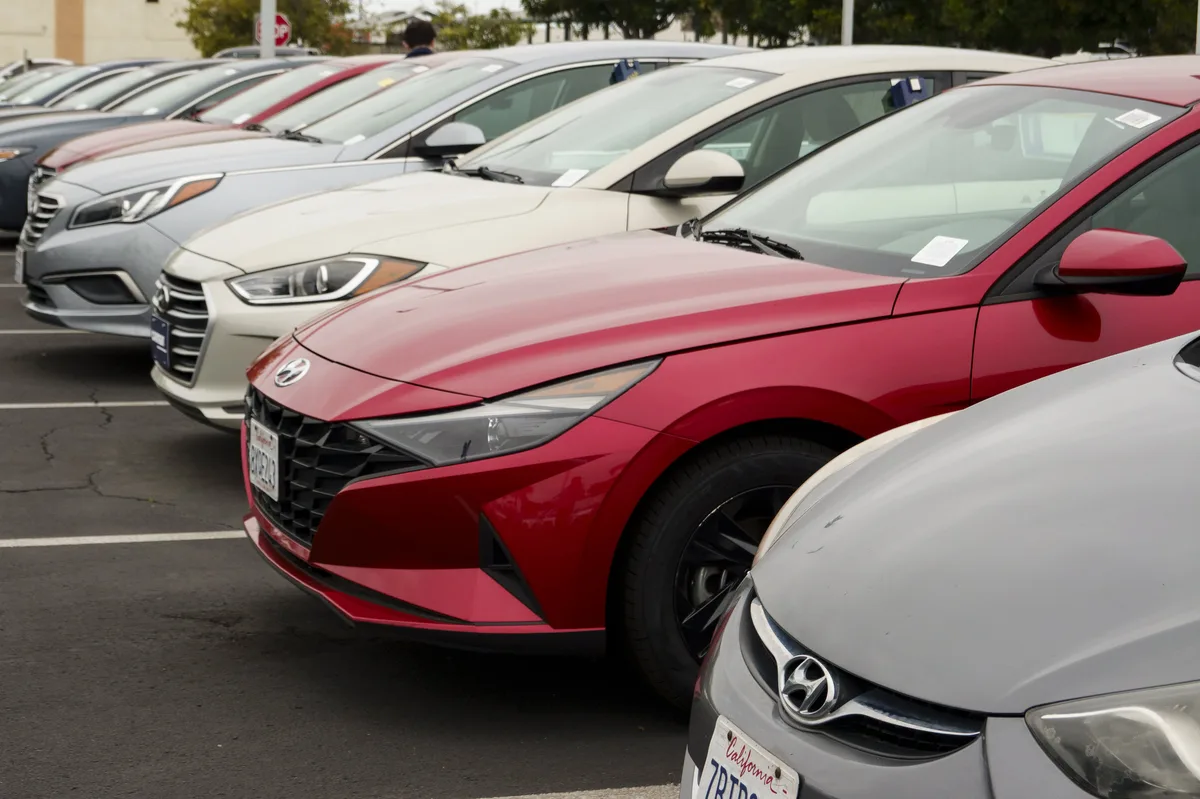
U.S. car dealerships are pivoting toward parts and service revenue to sustain profitability as the outsized gross profits generated during the supply-constrained market of 2022 continue to erode, according to a new industry analysis from CNBC.
During the pandemic-era inventory crunch, dealers commanded record margins on new vehicle sales — a windfall that masked structural vulnerabilities in their business models. Now that vehicle supply has normalized and buyers have more negotiating power, those fat front-end profits have given way to a more competitive, margin-compressed environment.
Read more Aurora Cannabis Confirms Hostile Takeover Bid for Curaleaf →
To compensate, dealerships are doubling down on fixed operations — the industry term for parts and service departments — which historically generate steadier, more recession-resistant income than new or used vehicle sales. Unlike the volatile new-car market, service lanes tend to remain active regardless of consumer spending cycles, making them a natural hedge when vehicle transaction profits decline.
The shift reflects a broader strategic recalibration across the retail automotive sector. Dealers who invested in expanding service capacity and technician staffing during the boom years are now better positioned to weather the current margin squeeze, while those who remained dependent on vehicle sales are facing greater financial pressure.
The trend raises important questions about how dealerships will adapt their business models as electric vehicles — which require less routine maintenance than internal-combustion vehicles — gradually grow their share of the market, potentially threatening the very revenue stream dealers are now leaning on most. Continue reading at US Top News and Analysis.