
China's Economy Gets a Lift From Emotional Spending Trends
Young Chinese consumers are shifting away from luxury status symbols, instead spending on emotionally resonant goods like toys and novelty items.
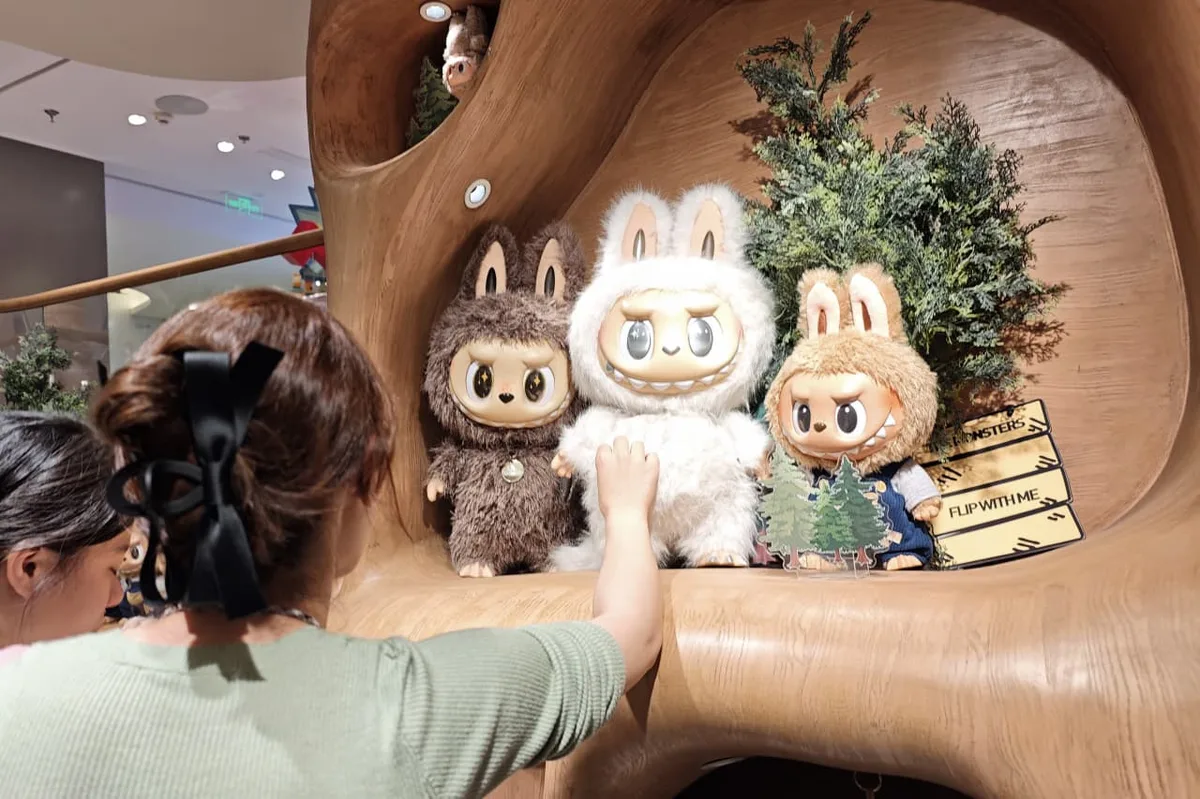
China's next economic spark may come not from factories or export deals, but from the emotional impulses of its youngest consumers. A growing cohort of young Chinese adults is turning away from traditional status-driven purchases — designer goods, luxury brands, the trappings of aspiration — and funneling their discretionary income into items that simply make them feel something, according to a MarketWatch report.
The shift is manifesting in unexpected product categories. Toy elves, robotic novelties, and other whimsical consumer goods are emerging as unlikely bright spots in an economy still working through post-pandemic headwinds and sluggish demand in conventional sectors. These purchases reflect a broader psychological turn: when the future feels uncertain, consumers often prioritize immediate emotional gratification over long-term status signaling.
Read more Kevin Warsh Leads Search for Next Atlanta Fed President →
This phenomenon carries significant implications for China's domestic consumption strategy. Beijing has long sought to rebalance its economy away from export dependency toward homegrown consumer spending. If younger generations are spending — even on unconventional goods — that still pumps money into retail channels, supply chains, and ultimately GDP growth. The question for analysts is whether quirky, emotion-driven spending can sustain meaningful economic momentum or whether it represents a fleeting trend masking deeper consumer caution.
For brands and investors watching China, the signal is clear: emotional resonance may now outrank prestige in the world's second-largest consumer market. Companies that pivot toward playful, experience-adjacent products could find an opening in a market where traditional luxury and aspirational marketing is losing its grip on the next generation of shoppers.
Continue reading at MarketWatch.com