
Colombia's New Government Faces Uphill Battle on Oil and Gas Output
Colombia's incoming administration inherits a declining energy sector and must decide whether to reverse course on oil and gas policy.
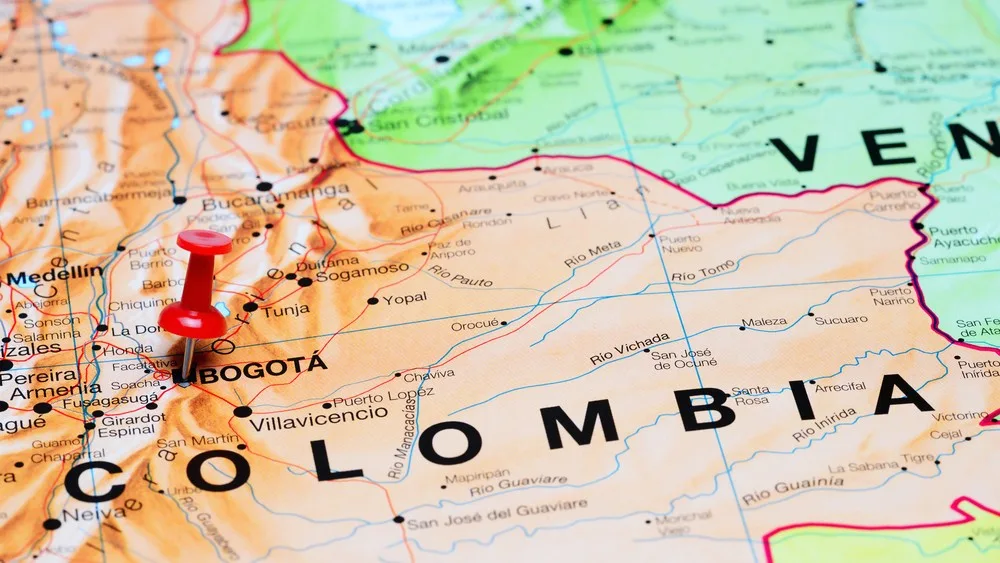
Colombia's new government is stepping into power amid a significant and sustained decline in the nation's oil and gas production, raising urgent questions about whether incoming leadership has both the political will and the practical tools to reverse a troubling energy trajectory. The situation presents one of the most consequential economic challenges the new administration will face from its earliest days in office.
The country's hydrocarbons sector has long served as a cornerstone of Colombia's export revenues and fiscal health, making any prolonged output slump a direct threat to the national budget. A weakening production curve not only squeezes government income but also undermines investor confidence at a time when global energy markets remain volatile and competitive for capital allocation.
Read more Amazon Layoff Survivors Face Brutal Job Market Eight Months On →
The central policy question is whether the new government will move to attract fresh upstream investment by offering more favorable licensing and regulatory terms, or whether it will maintain or even deepen restrictions that critics argue have accelerated the decline. The direction chosen will have far-reaching consequences for Colombia's energy independence, employment in hydrocarbon-dependent regions, and its standing among Latin American energy producers.
Analysts watching the sector note that reversing an output decline of this nature typically requires years of sustained investment and regulatory certainty — neither of which can be delivered overnight. Any meaningful production recovery would demand coordinated action across licensing reform, infrastructure investment, and community engagement in producing regions, signaling that quick fixes are unlikely regardless of the government's intentions.
Continue reading at Yahoo Finance.