
Congress Members Buy SpaceX Stock After Record IPO Valuation
First known congressional SpaceX stock purchases emerge as Elon Musk's firm expands federal contracts and maintains close White House ties.
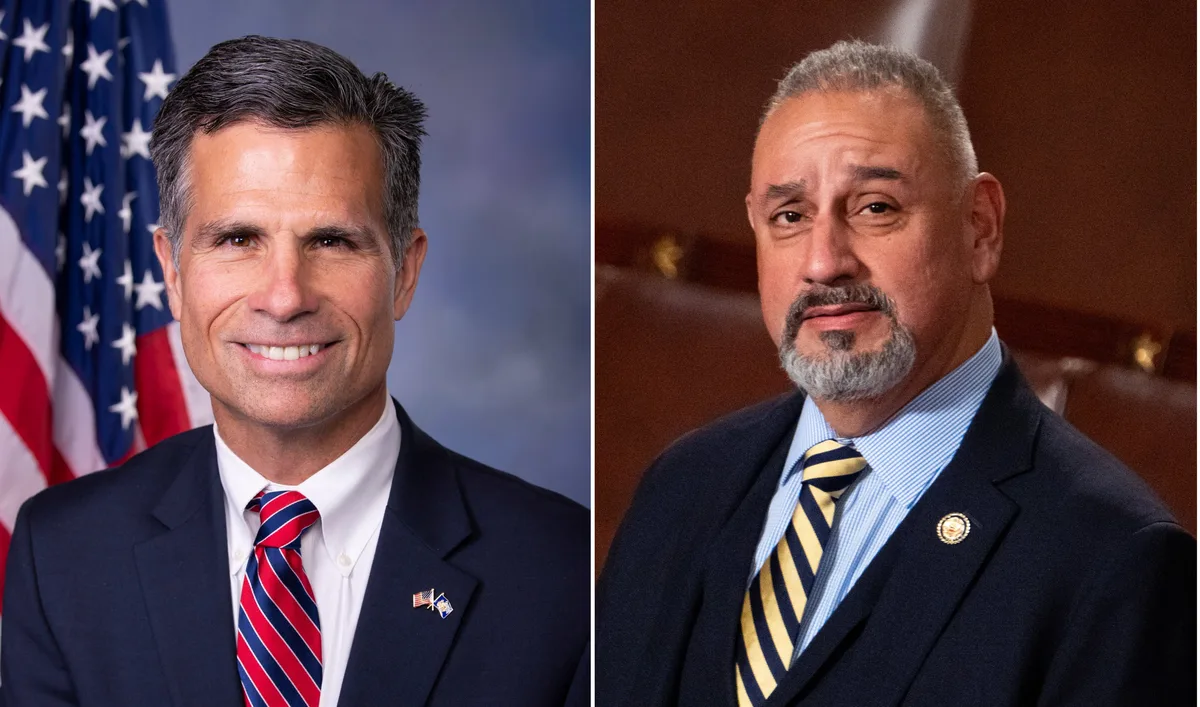
At least one member of Congress has purchased shares in SpaceX following what has been described as a record-setting IPO valuation, marking the first known instance of a sitting lawmaker acquiring stock in Elon Musk's private aerospace and defense company. The trades surfaced publicly through mandatory congressional financial disclosure filings, drawing immediate scrutiny from ethics watchdogs and government transparency advocates.
The timing of the purchases raises pointed questions about potential conflicts of interest, given that SpaceX has dramatically expanded its footprint as a federal contractor. The company holds billions of dollars in government contracts spanning NASA missions, Pentagon satellite launches, and national security payloads — making any congressional stock activity in the firm a matter of significant public interest.
Read more Chip Industry Warns Trump Against Meddling in Memory Market →
Musk's unusually close relationship with the Trump administration adds another layer of complexity to the disclosures. His role advising the White House and leading the Department of Government Efficiency has made SpaceX's regulatory and contracting environment a direct byproduct of political decisions in which Musk himself plays a central part, a dynamic that critics argue creates structural conflicts for lawmakers who invest in the company.
Ethics experts note that while congressional stock trading is legal under current law, the optics of buying into a company so deeply embedded in federal spending decisions can undermine public trust in legislative impartiality. Calls to expand or strengthen the STOCK Act — which mandates disclosure but does not ban such trades — have grown louder in recent years, though comprehensive reform legislation has repeatedly stalled on Capitol Hill.
The emergence of these disclosures is likely to reignite debate over whether members of Congress should be permitted to trade individual stocks at all, particularly in companies that receive substantial government funding or benefit directly from executive-branch policy decisions. Continue reading at US Top News and Analysis.