Delayed Social Security Reform Threatens Bond Markets, Economy
New research warns that inaction on Social Security reform ahead of a projected 2032 trust fund depletion could destabilize bond markets and broader economic health.
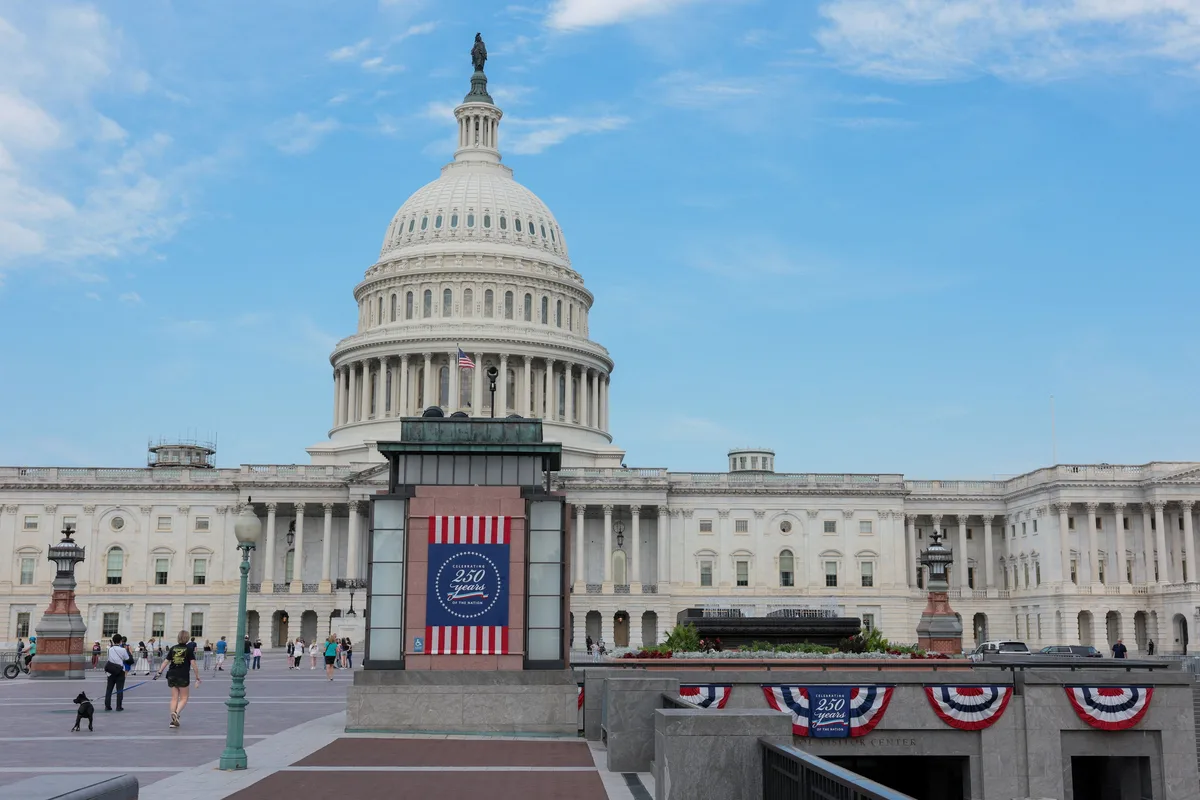
New research is sounding the alarm that Washington's failure to act on Social Security reform could trigger serious disruptions in bond markets and the wider U.S. economy, with the program's retirement trust fund projected to run dry as early as late 2032. The findings add urgency to a long-simmering fiscal debate that lawmakers have largely sidestepped for years.
Social Security's Old-Age and Survivors Insurance trust fund is on a collision course with insolvency unless Congress intervenes. Once reserves are exhausted, current law would allow the program to pay only a fraction of promised benefits — a scenario that would directly affect tens of millions of retirees who depend on those monthly checks as a primary income source.
Read more Fed Officials Split on Rate Direction at June Meeting →
The new research goes beyond the familiar warnings about benefit cuts, pointing specifically to spillover risks in financial markets. Uncertainty around whether the U.S. government will shore up Social Security obligations could rattle investor confidence in Treasury bonds, raising borrowing costs at a time when federal deficits are already elevated. That compounding pressure could have cascading effects across credit markets and the broader economy.
The findings underline a growing consensus among economists that procrastination carries its own price tag. Every year of inaction narrows the menu of politically viable fixes — whether through benefit adjustments, payroll tax increases, or a combination — while amplifying the economic shock of an eventual forced reckoning. Analysts warn that markets may begin pricing in reform risk well before the 2032 deadline if no credible legislative path emerges.
With the trust fund depletion date now fewer than eight years away, pressure is mounting on Congress and the White House to put forward a sustainable long-term solution. Continue reading at US Top News and Analysis.