
Fed Stress Tests: US Banks Can Absorb $708B in Losses
The Federal Reserve's annual bank stress test found US lenders could withstand $708 billion in losses, though results won't affect capital requirements this year.
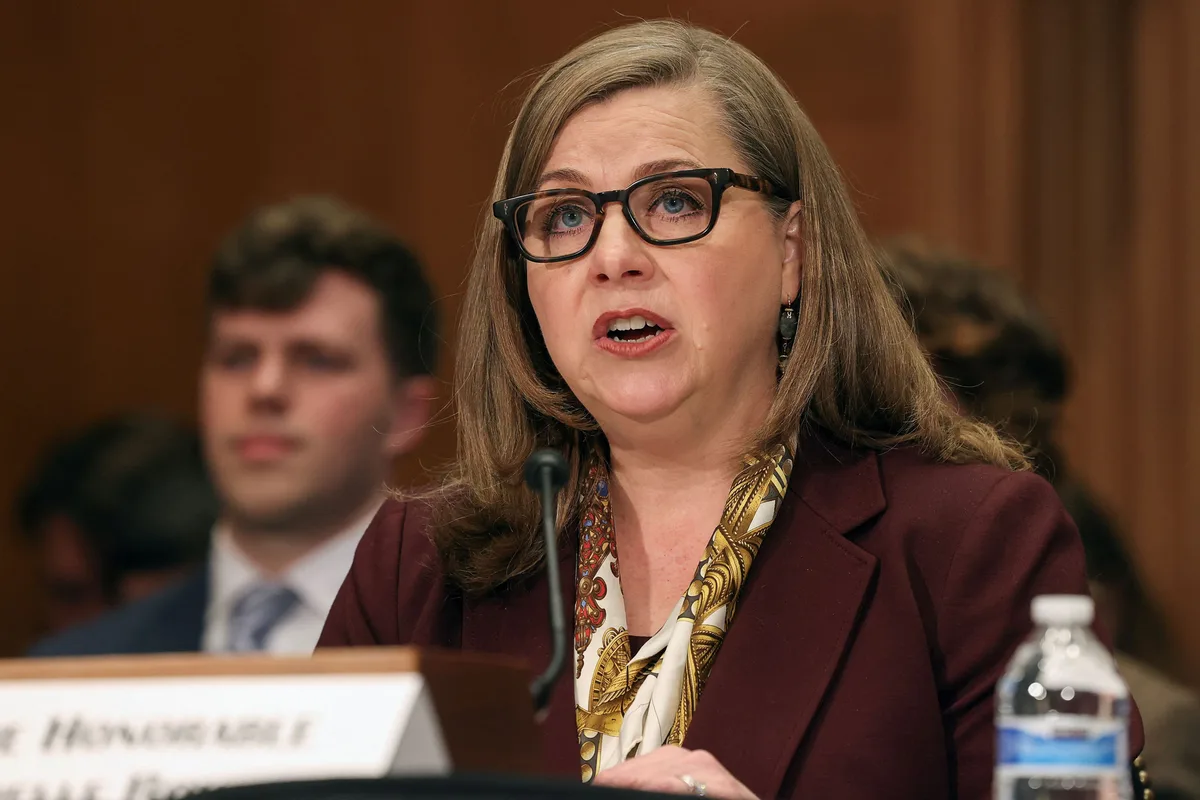
The Federal Reserve announced Wednesday that the nation's largest banks are resilient enough to absorb up to $708 billion in hypothetical losses, delivering the results of its annual stress-testing exercise against a backdrop of sweeping changes to how Wall Street is regulated.
This year's evaluation carries unusual significance because, in a departure from prior practice, the findings will not be used to set capital requirements for the banks that participated. That shift marks a pivotal transition as regulators work to overhaul the broader framework governing how much capital lenders must hold as a financial cushion against economic downturns.
Read more IAEA Chief Confirms Iran Inspections Will Proceed Amid Talks →
The timing of the test lands at a critical juncture for the banking industry. Regulators have been under pressure to recalibrate capital rules — a process that has drawn intense lobbying from major financial institutions arguing that existing requirements are overly burdensome and constrain lending activity across the economy.
By decoupling this year's stress-test outcomes from actual capital mandates, the Fed is effectively signaling a transitional period in which the methodology itself may be recalibrated before results are once again tied to binding regulatory thresholds. Analysts note the move gives policymakers flexibility to redesign the stress-test architecture without penalizing or advantaging any individual institution in the interim.
The annual exercise has long served as a cornerstone of post-2008 financial oversight, designed to ensure that systemically important banks can survive severe economic shocks without taxpayer-funded bailouts. Continue reading at US Top News and Analysis.