Fidelity Health Care ETF vs. State Street Biotech ETF Compared
Two major health-sector ETFs compete for investor dollars. Here's how they stack up for your portfolio.
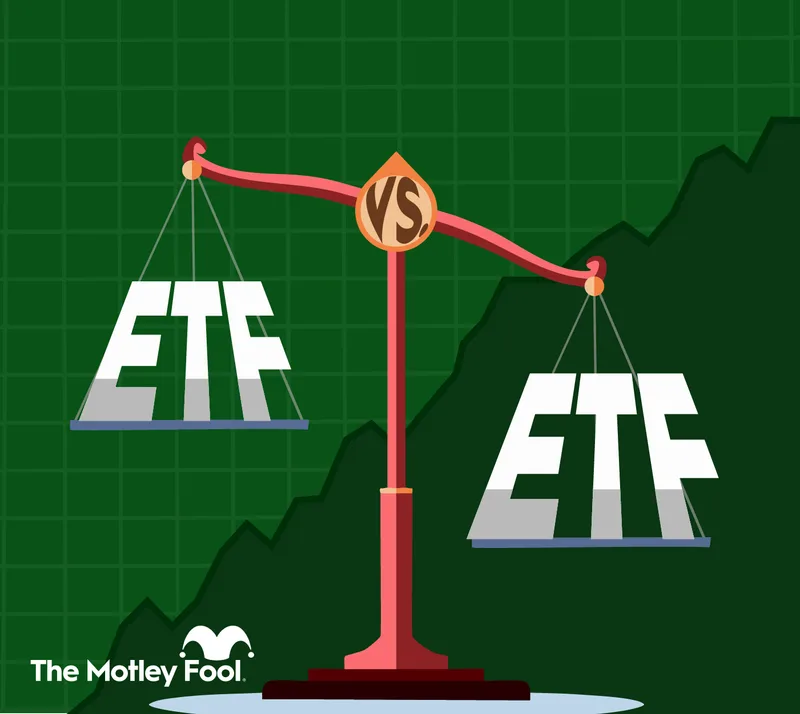
Investors weighing exposure to the health care sector face a key choice between Fidelity's health care-focused exchange-traded fund and State Street's biotech-oriented offering, two products that differ meaningfully in scope, risk profile, and potential reward. While both vehicles give shareholders a stake in the broader medical and life-sciences industries, their underlying strategies pull them in distinct directions that matter enormously depending on an investor's goals and time horizon.
Fidelity's health care ETF casts a wider net, tracking a broad swath of the sector that includes large pharmaceutical companies, managed care organizations, and medical device makers. That diversification tends to dampen volatility, making the fund a more conservative entry point for investors who want health care exposure without the concentrated risk that comes from betting on drug development pipelines.
Read more A Stronger Nasdaq-100 Pick to Consider Instead of SpaceX →
State Street's biotech ETF, by contrast, zeroes in on biotechnology companies — a corner of health care known for explosive upside when clinical trials succeed and equally sharp drawdowns when they don't. The concentrated nature of biotech investing means shareholders are more directly exposed to regulatory decisions, FDA approvals, and the binary outcomes of late-stage drug trials, all of which can move individual holdings dramatically in a single session.
The choice between the two ultimately hinges on an investor's risk tolerance and conviction in biotech as a standalone theme. A broadly diversified health care ETF may suit long-term, risk-conscious investors, while the biotech fund could appeal to those comfortable with higher volatility in exchange for potentially stronger growth if the pipeline environment turns favorable. Fee structures, liquidity, and existing portfolio composition should all factor into the final decision before committing capital to either product.
Continue reading at fool (erin kennedy).