
Ford CEO Pushes for Fair Import Rules as USMCA Talks Resume
Ford's CEO is demanding a level playing field with Toyota and GM imports as USMCA trade negotiations reopen, citing the automaker's record U.S. assembly output.
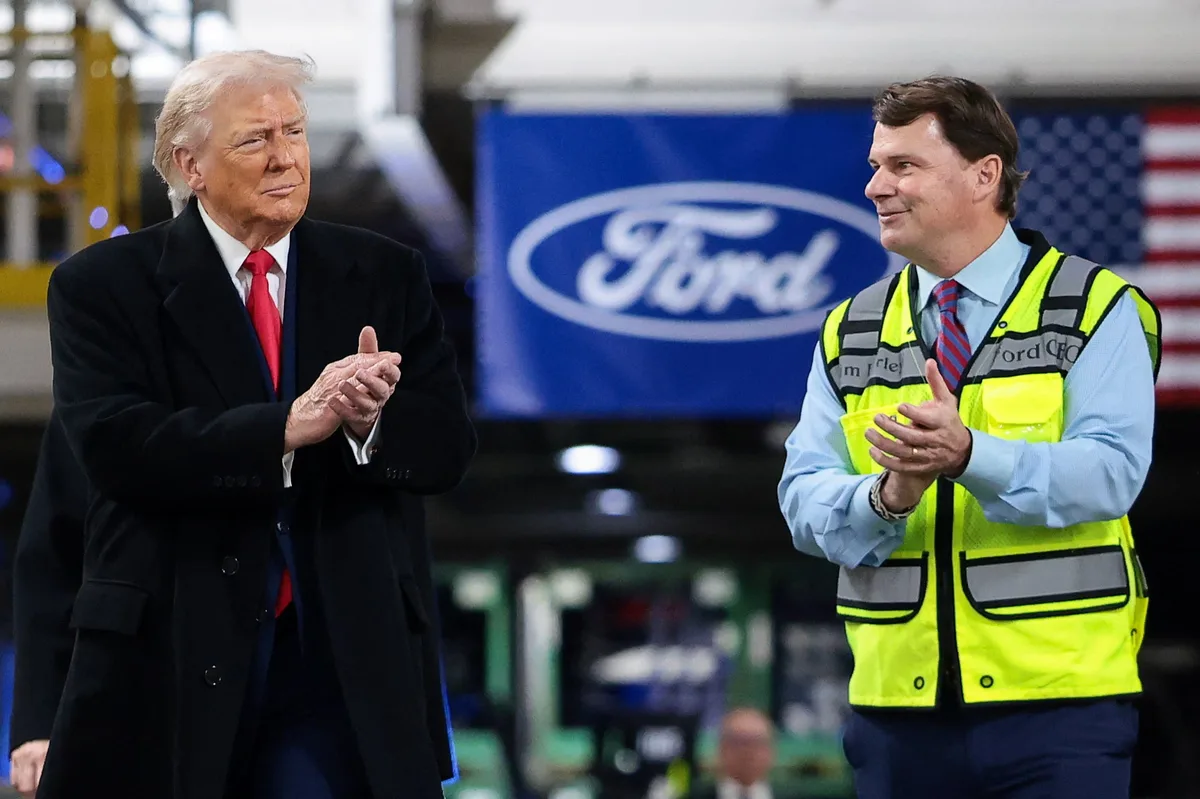
Ford CEO Jim Farley is calling on trade negotiators to ensure U.S.-assembled vehicles compete on equal footing with imports from rivals including Toyota and General Motors as the United States-Mexico-Canada Agreement undergoes its scheduled review, according to US Top News and Analysis. The push comes at a critical moment, with USMCA trade talks formally reopening and the auto industry watching closely for any shifts in tariff structures and rules-of-origin requirements.
Ford is leaning on its domestic manufacturing record to bolster its case. The automaker reports assembling more than 2 million vehicles inside the United States last year — a figure it says tops every other automaker operating in the country. Of that total, 311,000 units were built specifically for export, underscoring Ford's argument that its operations directly support American jobs and trade balances.
Read more Lockheed Martin Nears $3.5B Deal to Acquire Ultra Maritime →
The implicit tension in Farley's position is that competitors who import a larger share of their U.S. sales from plants in Mexico, Canada, or overseas could benefit disproportionately if USMCA's terms remain unchanged or are loosened. By framing the debate around a "level playing field," Ford is effectively urging policymakers to tighten or preserve provisions that reward higher domestic content and penalize vehicles assembled outside U.S. borders.
The USMCA review process gives all three North American governments an opportunity to renegotiate key provisions, and automakers across the industry are lobbying hard to shape the outcome. For Ford, the stakes are especially high given the scale of its U.S. footprint and its ongoing investments in electric vehicle and truck production on American soil. Any rule changes that reduce the advantage of domestic assembly could directly affect the company's competitive positioning against both Asian and domestic rivals.
Continue reading at US Top News and Analysis.