
Funflation: Why Staying Home No Longer Saves Money
Rising prices for streaming and gaming are squeezing budgets, making at-home entertainment nearly as costly as going out.
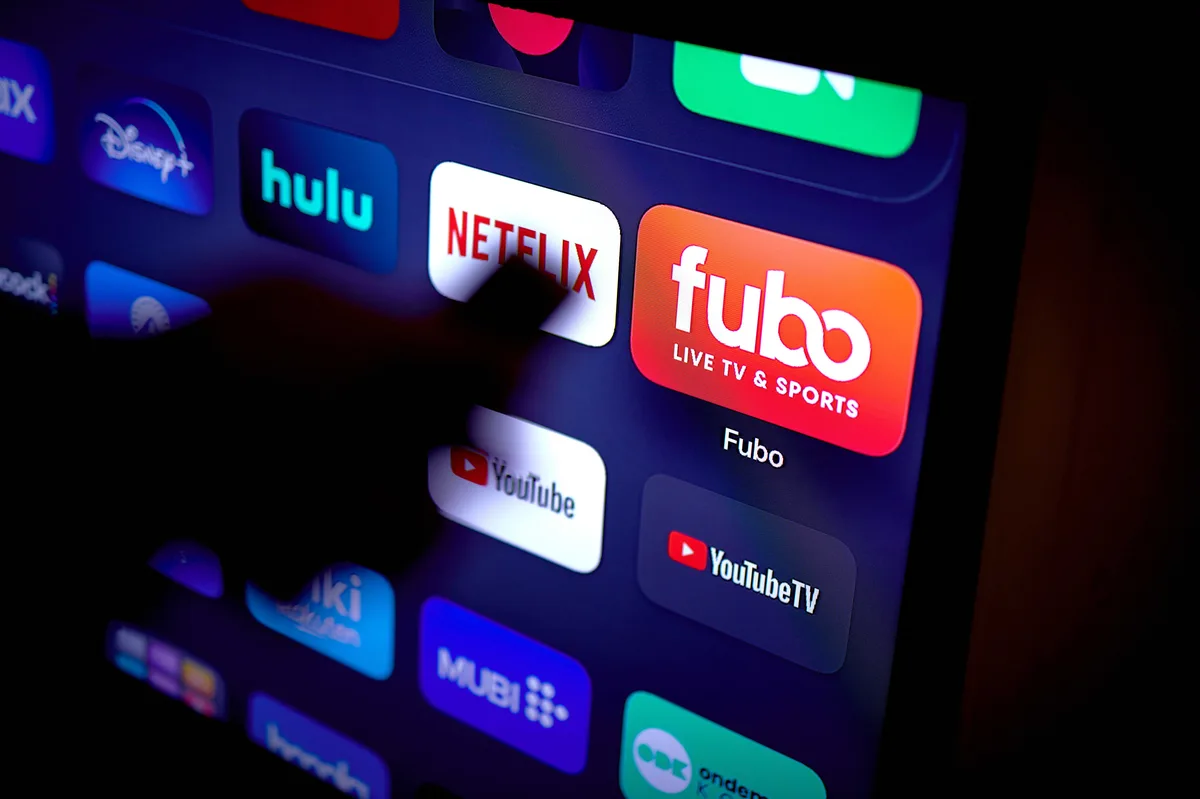
American households looking to cut costs by staying in are running into a new financial reality: the price of at-home entertainment has surged sharply, eroding the savings that once made couch-bound weekends an obvious budget move. The trend, dubbed "funflation," reflects a broad wave of price hikes across the leisure sector that has now reached inside the home itself.
Streaming services and video game platforms — long marketed as affordable alternatives to pricey nights out — have repeatedly raised subscription fees and purchase prices in recent years. What was once a clear-cut financial trade-off between going out and staying in has become considerably murkier as providers capitalize on deeply embedded consumer habits and high switching costs.
Read more ESG Investing and Retirement Plans: A Values Mismatch →
The psychological and economic implications are significant. Consumers who restructured their leisure spending around at-home options as a deliberate cost-cutting strategy may now find themselves facing a double squeeze — paying more both for outings and for the digital entertainment meant to replace them. That dynamic leaves households with fewer obvious escape valves when trying to manage discretionary spending.
Analysts warn that funflation could further dampen consumer sentiment, particularly among middle-income households already navigating elevated prices for groceries, housing, and transportation. When even the "cheap" options stop feeling cheap, the cumulative pressure on household budgets becomes harder to absorb without meaningful trade-offs elsewhere in spending.
The broader takeaway is that inflation's reach has extended well beyond traditional cost-of-living categories, quietly reshaping how Americans relax and unwind — and what that relaxation actually costs. Continue reading at US Top News and Analysis.