Gulf Nations Unlikely to Back Strait of Hormuz Toll Plan
CNBC's Brian Sullivan says Gulf states will resist any fee scheme for safe passage through the Strait of Hormuz.
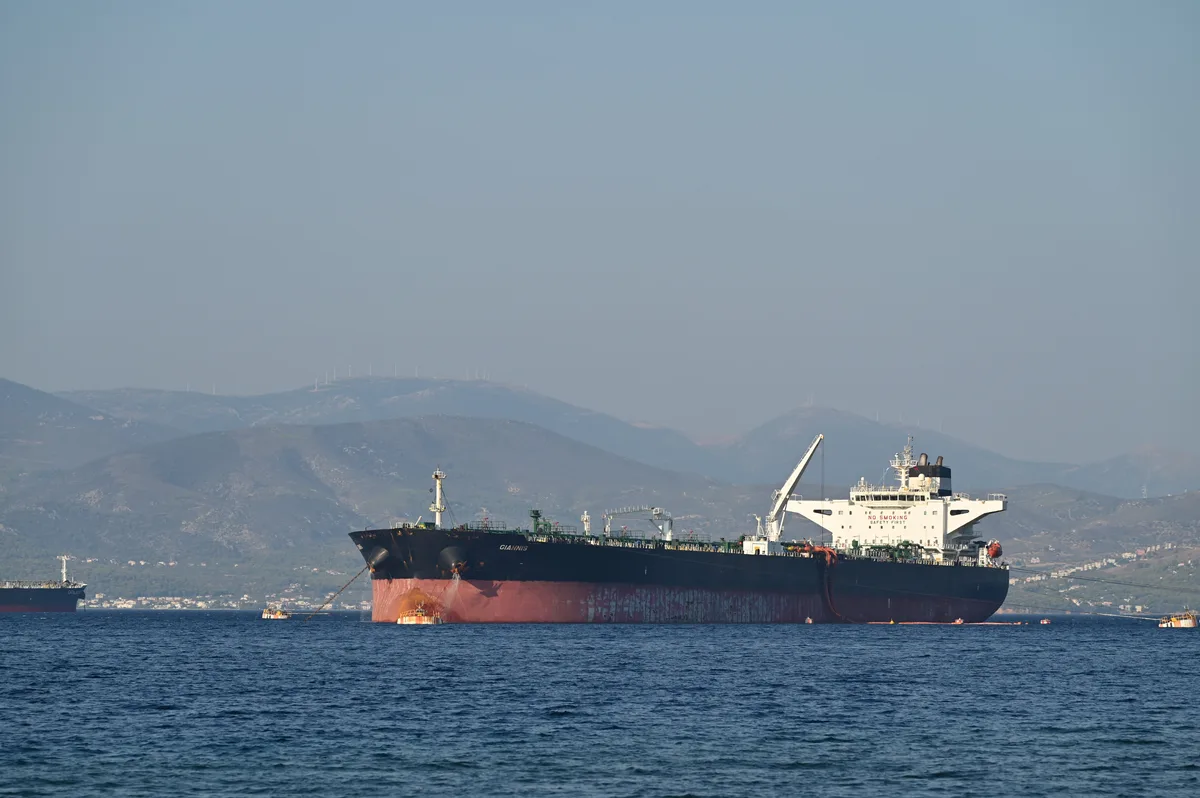
Gulf nations are unlikely to sign on to any toll or fee arrangement for safe passage through the Strait of Hormuz, CNBC's Brian Sullivan reported Wednesday, citing conversations with regional sources familiar with the matter. The strait, one of the world's most strategically vital oil chokepoints, has long been a flashpoint for geopolitical tension, and any formal pricing mechanism would represent an unprecedented shift in how the waterway is governed.
Sullivan's reporting indicates that resistance runs deep among Gulf states, who are reluctant both to agree to such a plan in principle and to adhere to it in practice. The distinction matters: even if a toll framework were proposed at the diplomatic level, enforcement among sovereign nations with competing interests would present a formidable obstacle.
Read more Iran and Oman Weigh Joint Shipping Lane Through Strait of Hormuz →
The Strait of Hormuz carries roughly a fifth of the world's oil supply, making any disruption or new regulatory structure there a matter of global economic consequence. A toll system, if ever implemented, could affect energy prices, shipping costs, and the broader calculus of Middle East diplomacy — factors that Gulf producers are acutely sensitive to given their dependence on oil export revenues.
The report adds analytical weight to ongoing discussions about who controls — and who profits from — critical maritime corridors at a time when global energy security is under intense scrutiny. Sullivan's sourcing suggests the idea, wherever it originated, faces fundamental opposition before it could gain any serious traction among the nations most affected.
Continue reading at US Top News and Analysis.