
Heat Wave Prep Steps That Can Cut Summer Cooling Bills by $100
Energy experts urge Americans to act fast as a dangerous heat wave arrives, warning that early prep can significantly reduce cooling costs.
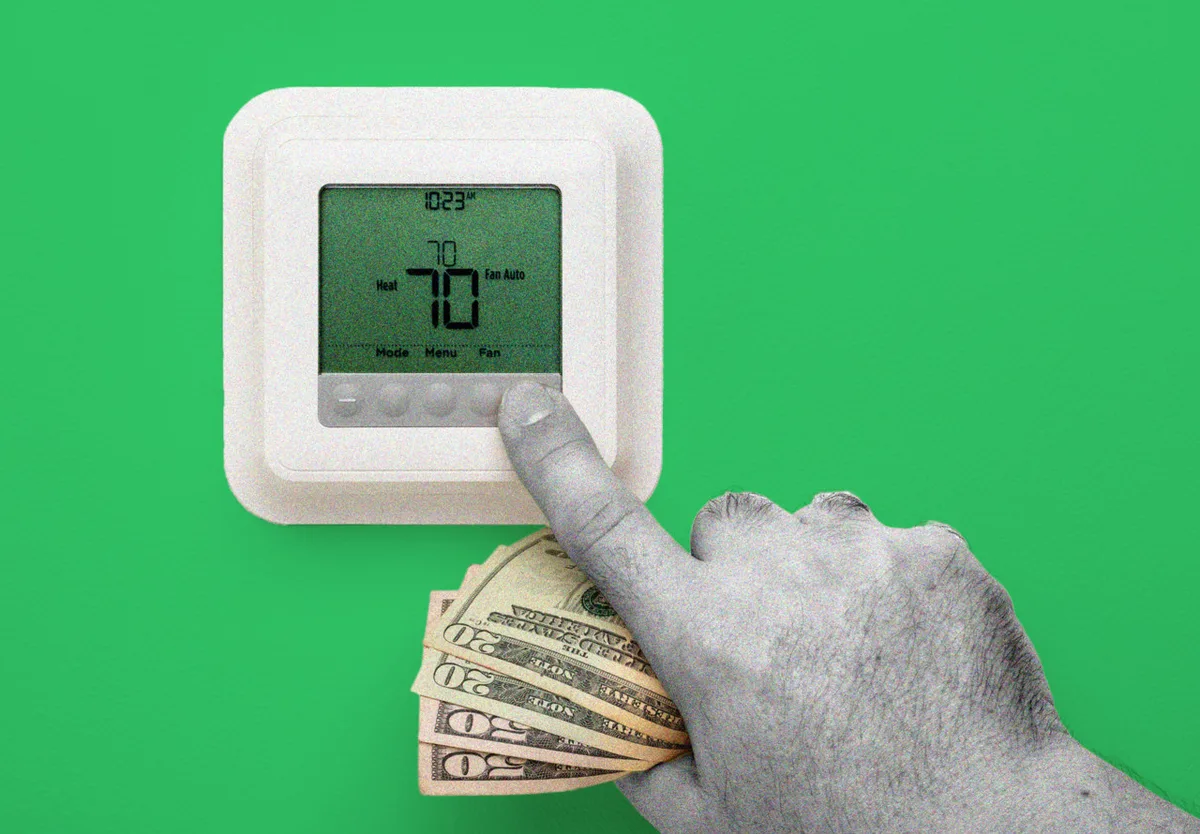
A dangerous heat wave is bearing down on millions of Americans this week, and energy experts say the threat isn't just to public health — household budgets are squarely in the crosshairs too. With air conditioners set to run overtime across much of the country, the financial hit from surging electricity demand could be substantial without advance preparation.
Experts advise that homeowners and renters who take proactive steps before temperatures peak stand to save as much as $100 on their cooling costs over the course of the summer. The window to act is narrow — measures taken ahead of a heat event are far more effective than reactive ones once the mercury climbs.
Read more HELOC vs. Home Equity Loan Rates: Key Gap to Know Today →
Among the broad categories of recommended action, energy specialists point to reducing the burden on air conditioning systems, sealing gaps that let hot air infiltrate a home, and managing energy use during peak-demand hours when electricity rates are typically highest. Simple behavioral changes, such as adjusting thermostat settings and limiting heat-generating appliances during the hottest parts of the day, can compound the savings.
The timing of this advice matters: heat waves drive regional electricity grids to their limits, and utilities sometimes impose higher pricing tiers during peak load periods. Households that have already optimized their cooling setup are better positioned to avoid those cost spikes while also reducing strain on the broader grid — a dual benefit that energy advocates have long promoted.
With climate patterns making intense summer heat events more frequent and more severe, the calculus for investing time in home energy efficiency has shifted. What once seemed like optional frugality is increasingly a practical necessity for families managing tight budgets. Continue reading at MarketWatch.com