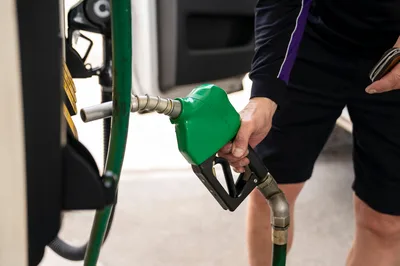
How Surging Diesel and Gas Prices Will Hit Your Wallet Hard
Record diesel costs are rippling across the entire economy, pushing up prices on commuting, groceries, and nearly everything in between.
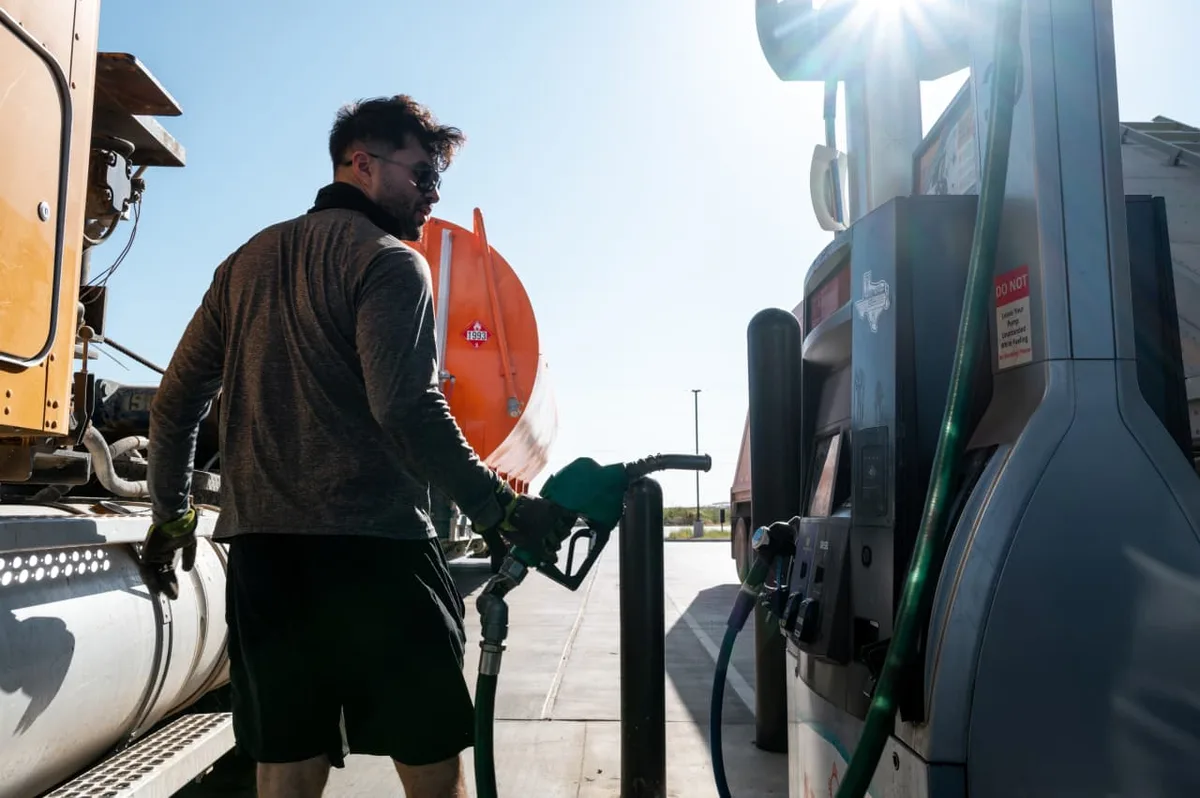
Record-high diesel prices and rapidly rising gasoline costs are set to squeeze American consumers from multiple directions at once, driving up expenses on everything from daily commutes to supermarket checkout lines, analysts warn. The fuel surge is not a contained problem — it threads through virtually every sector of the domestic economy, amplifying inflation pressures that households are already struggling to absorb.
Diesel is the workhorse fuel of the American supply chain, powering the trucks, trains, and ships that move goods from factories and farms to store shelves. When diesel prices spike, freight costs climb almost immediately, and those added expenses are typically passed straight to consumers in the form of higher retail prices. Groceries, household goods, and building materials are among the categories most vulnerable to that cost transmission.
Read more Fed Set to Hike Rates Again as Inflation Stays Stubborn →
"Diesel touches everything in the economy," one analyst noted, underscoring how broadly the current price environment threatens to feed into broader inflation. Unlike gasoline, which primarily affects individual drivers, diesel's footprint extends deep into commercial and industrial activity, meaning its price surges carry an outsized economic multiplier.
For everyday commuters, the double burden is immediate: pump prices for regular gasoline are climbing in tandem with diesel, eating further into household budgets at a moment when wages are struggling to keep pace with the overall cost of living. Families that rely on personal vehicles for work have little short-term ability to escape those added costs, and those who shop for food or goods shipped long distances face a second hit at the register.
The convergence of record diesel and elevated gasoline prices creates a feedback loop that could keep inflation elevated longer than policymakers and consumers hope, making energy costs one of the most closely watched variables in the near-term economic outlook. Continue reading at MarketWatch.com