
Iran Claims Strait of Hormuz Closed, Raising Oil Supply Fears
Iran's reported closure of the Strait of Hormuz reignites fears of an oil supply shock that could ripple through the broader U.S. economy.
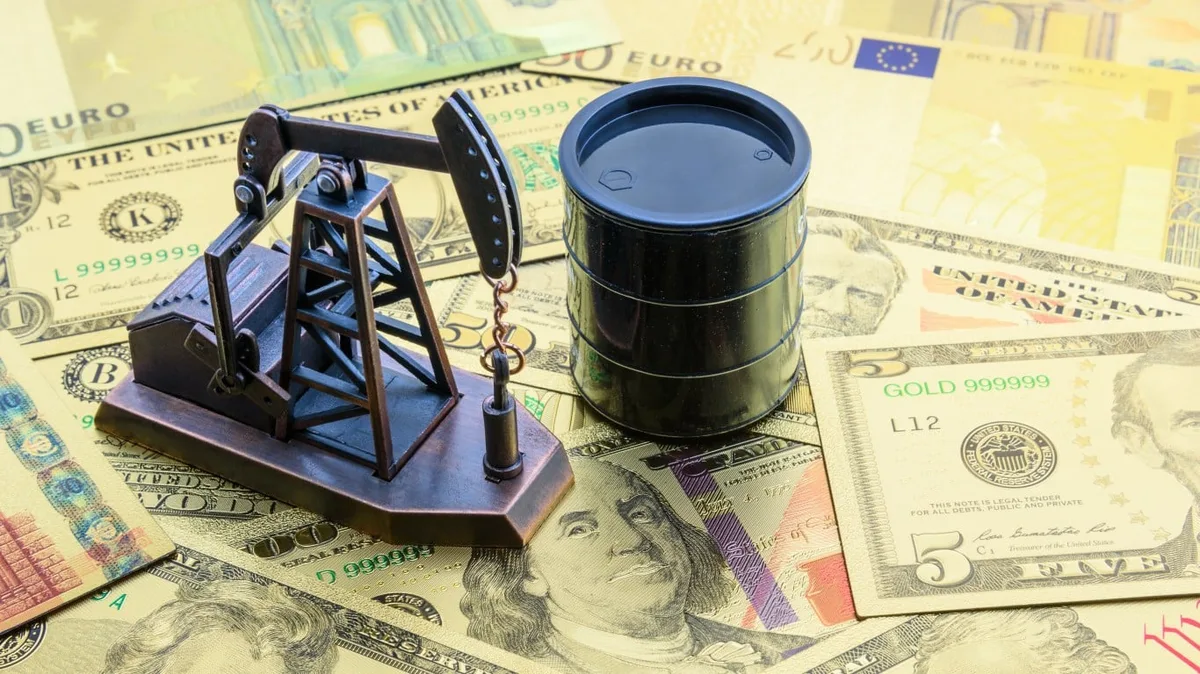
Iran has again claimed the Strait of Hormuz is closed, a move that immediately elevated global oil supply risk and rattled energy markets already on edge from months of geopolitical tension. The strait is one of the world's most critical energy chokepoints, and any sustained disruption to traffic through it carries serious consequences for crude prices and downstream consumer costs.
The announcement signals a potential escalation in the standoff between Iran and Western powers, with the closure threat serving as both a strategic lever and an economic warning shot aimed at nations that have imposed or tightened sanctions on Tehran. Analysts have long flagged Hormuz as the single greatest structural vulnerability in the global oil supply chain, with a significant share of seaborne crude passing through the narrow waterway daily.
Read more Amazon Layoff Survivors Face Brutal Job Market Eight Months On →
For the U.S. economy, the timing could not be more sensitive. Inflation has only recently begun to show signs of easing, and a fresh spike in energy prices would threaten to undo progress made by the Federal Reserve in its campaign to bring price growth under control. Higher oil prices translate almost directly into elevated gasoline and diesel costs for American households and businesses alike.
Market participants are watching closely whether the closure is rhetorical posturing or a genuine operational blockade, as the distinction will determine how aggressively oil futures reprice in the days ahead. Past episodes in which Iran threatened or partially disrupted Hormuz traffic produced sharp short-term rallies in crude benchmarks before diplomatic or military deterrence stabilized flows.
The episode underscores how fragile the current macroeconomic recovery remains and how quickly an external geopolitical shock can reintroduce volatility into an economy still navigating elevated interest rates and uneven consumer demand. Continue reading at wallst_247.