Iran Strike Costs: What the U.S. Military and Economy Paid
The Pentagon and broader U.S. economy absorbed significant costs from the Iran conflict. Here's what analysts say about the financial fallout.
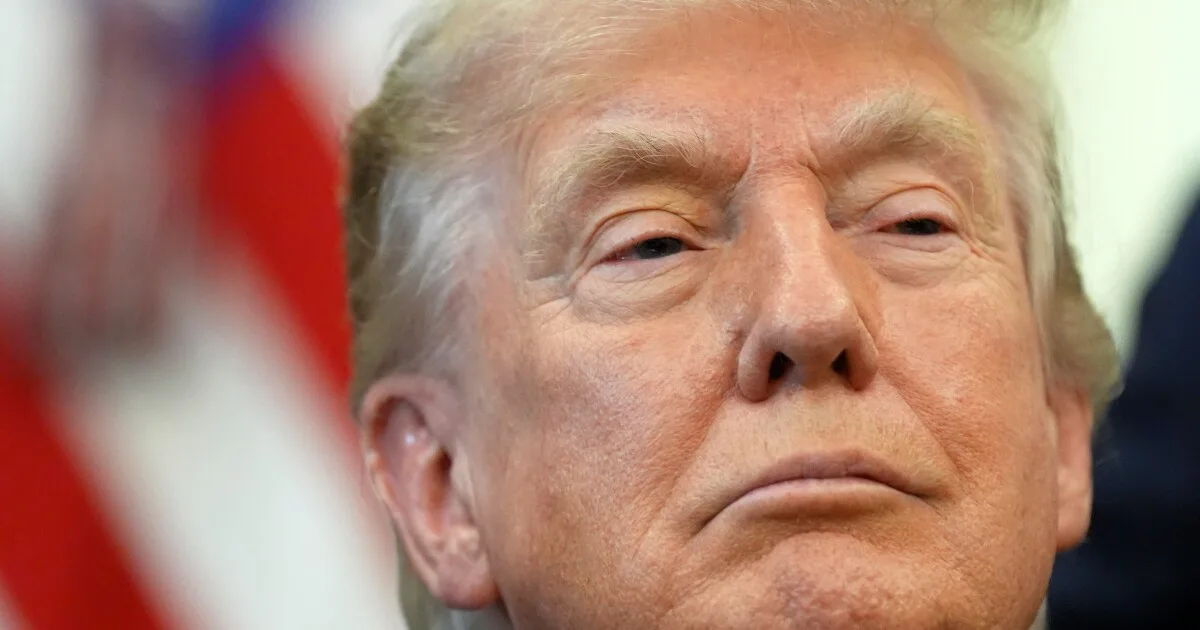
The United States military campaign against Iran carried measurable costs for the Pentagon, the broader American economy, and the political standing of President Donald Trump, according to a report by WKBW journalists Kaanita Iyer and Zachary B. Wolf. The conflict, which drew intense scrutiny from lawmakers and economists alike, raised urgent questions about who ultimately bears the financial burden of such military engagements.
Defense spending surges during active military operations typically ripple outward far beyond weapons and logistics. Economists and national security analysts have long warned that the downstream effects — from elevated oil prices to supply chain disruptions — can amplify the direct Pentagon outlays many times over, placing pressure on American households and businesses even when the fighting occurs thousands of miles away.
Read more Brad Lander's Congressional Bid Fractures NYC Democratic Labor Alliance →
For Trump, the military action also carried a political price. Wars and military strikes historically reshape a president's approval ratings and legislative agenda, and this conflict was no exception, with critics and supporters alike debating whether the strategic gains justified the economic and diplomatic costs incurred during the campaign.
The full accounting of any military engagement rarely emerges quickly, and the Iran conflict is no different. Budget analysts note that supplemental appropriations, long-term veterans care, and equipment replacement costs can extend the financial impact of a military campaign for years or even decades after the last strike is launched.
Continue reading at wkbw for the full breakdown of military expenditures, economic impact, and political consequences detailed by Iyer and Wolf.