Israel and Lebanon Reach Ceasefire Framework, Pending Hezbollah Buy-In
Secretary Rubio announced a framework agreement between Israel and Lebanon aimed at lasting peace, but the deal hinges on Hezbollah halting hostilities.
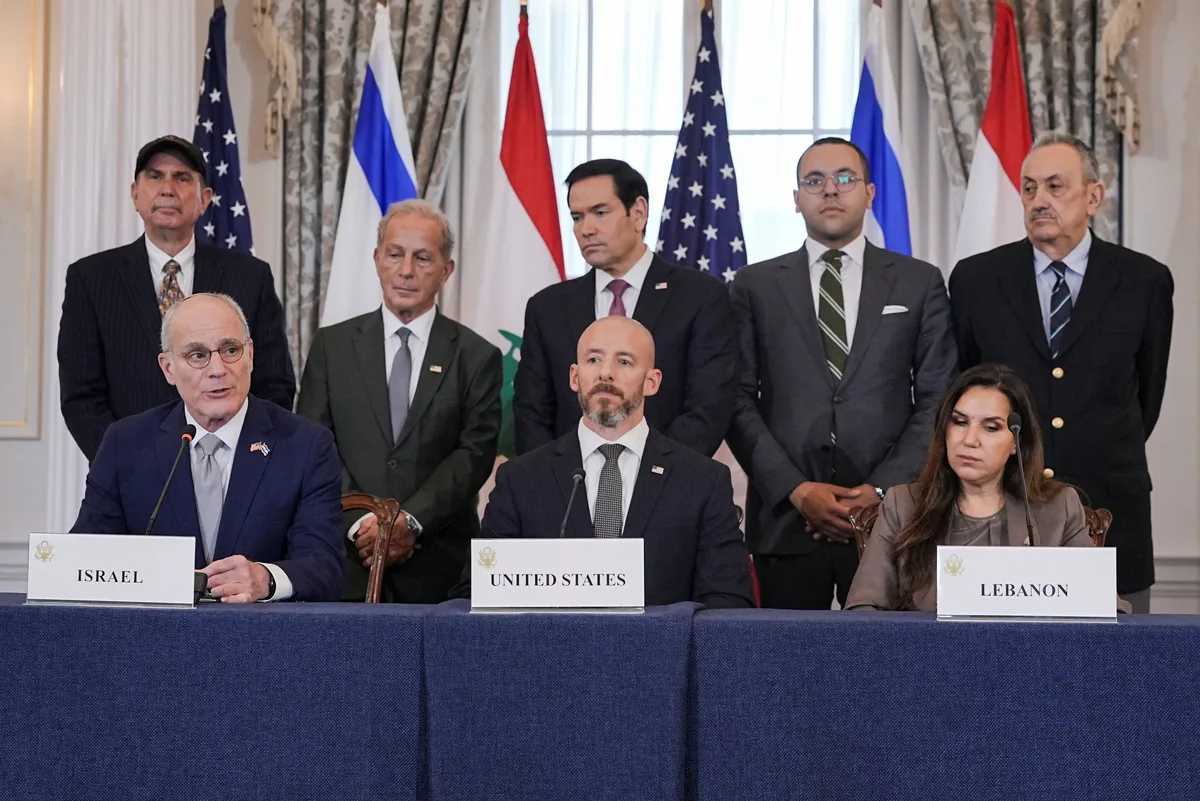
Secretary of State Marco Rubio announced Wednesday that Israel and Lebanon have reached a framework agreement designed to establish what he called "lasting peace and security" along their shared border — a significant diplomatic development that nonetheless faces a critical obstacle before it can take hold.
The two nations have agreed in principle to implement a ceasefire, but the arrangement carries a major contingency: the Iran-backed paramilitary group Hezbollah must independently agree to halt its own hostilities before the deal can move forward. Without that commitment, the framework remains on paper only.
Read more Trump Threatens 100% Tariff on Nations With Digital Taxes →
The distinction matters enormously. Lebanon's government and Hezbollah are not the same actor. Hezbollah operates as a powerful, heavily armed force within Lebanon but answers to its own leadership and external patrons rather than to Beirut alone, meaning state-to-state agreements do not automatically bind the group.
If Hezbollah does agree to the terms, the framework could mark one of the most consequential steps toward stabilizing the Israel-Lebanon frontier in years, potentially offering relief to civilian populations on both sides of the border who have endured cycles of cross-border fire. The diplomatic pathway Rubio described suggests active U.S. involvement in brokering the arrangement, though the durability of any deal will ultimately depend on whether Hezbollah's leadership chooses compliance over continued confrontation.
Continue reading at US Top News and Analysis.