
Laser Weapons Go Mainstream, Reshaping Defense Stock Picks
Directed-energy weapons are moving from concept to battlefield, making counterdrone plays like Palantir and Elbit stand out to investors.
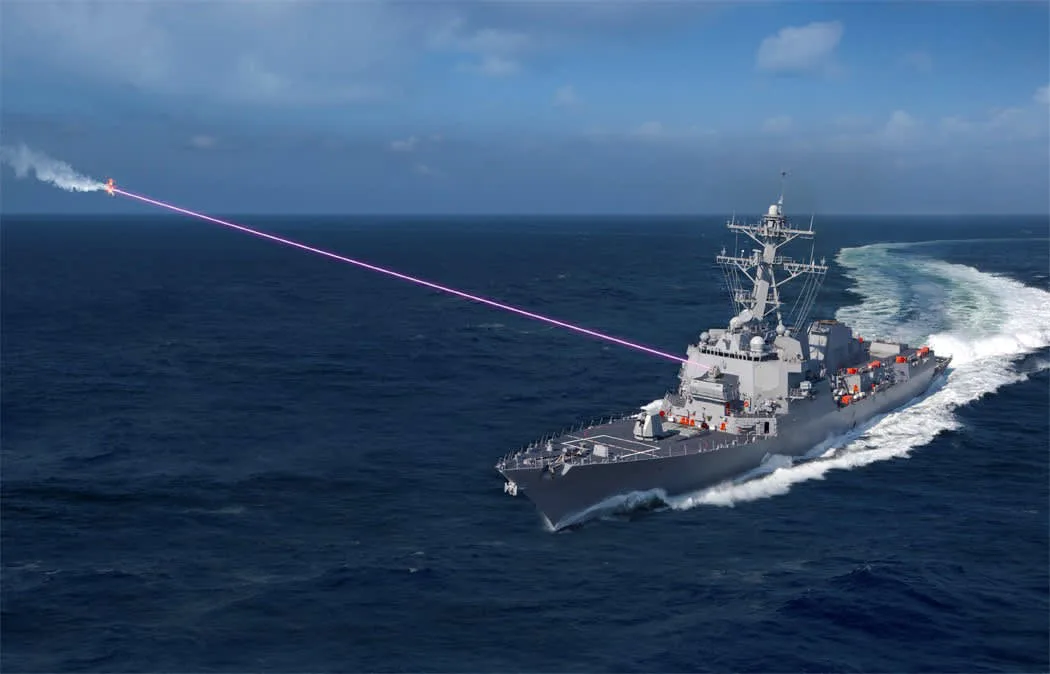
Laser weapons have crossed from science fiction into active military deployment, fundamentally altering the cost calculus that has long governed defense spending and investment strategies. Where traditional missile-based interceptors can cost millions of dollars per shot, directed-energy systems promise to neutralize aerial threats for a fraction of that price — a shift that analysts say is beginning to ripple through defense equity markets.
The counterdrone sector sits at the center of this transformation. Drone swarms have emerged as one of the most pressing threats on modern battlefields, and conventional air-defense systems were never designed to handle them at scale. Laser and directed-energy platforms offer a potential solution by delivering essentially unlimited magazine depth as long as power is available, upending the economics of air defense in ways that legacy contractors are scrambling to address.
Read more Charter Communications Leads S&P 500 Gains Amid SpaceX, Comcast Shifts →
Against that backdrop, Palantir Technologies and Elbit Systems have been identified as two of the most compelling positions in the counterdrone space. Palantir brings its artificial-intelligence and data-integration software to bear on target identification and threat prioritization, capabilities that become exponentially more valuable as engagement speeds increase. Elbit, an Israeli defense electronics firm with deep operational experience in contested environments, offers hardware and systems integration that complement the software-centric approach.
The broader investment thesis rests on government procurement cycles that are only beginning to accelerate. NATO member nations and the U.S. Pentagon have both signaled urgency around directed-energy and counterdrone funding, suggesting that the companies best positioned in this niche could see sustained revenue tailwinds for years. Analysts caution, however, that translating battlefield promise into consistent contract flow remains the key execution risk for any player in the space.
Continue reading at MarketWatch.com