
Memory Chip Shortage Pushes Up Laptop and Smartphone Prices
A global memory chip shortage tied to AI demand is raising consumer electronics costs and threatening product availability.
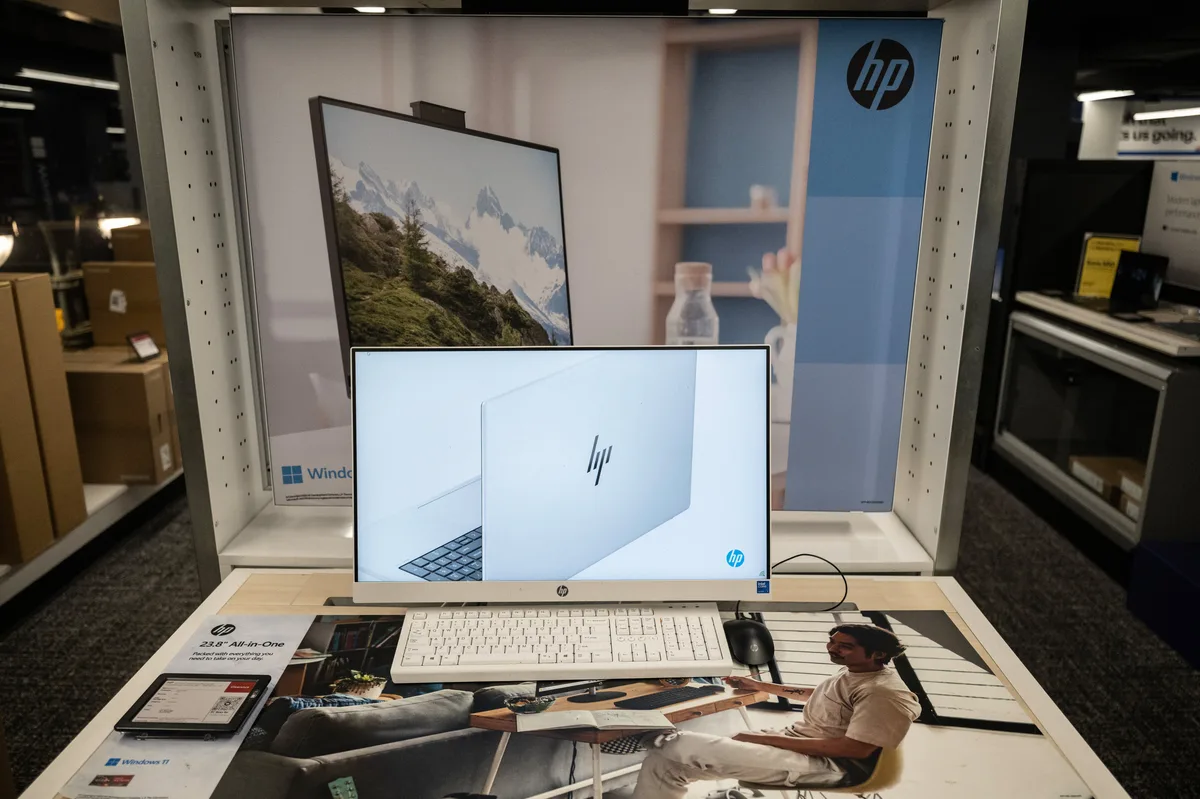
A tightening global supply of memory chips is squeezing retailers and driving up the cost of laptops and smartphones, as surging artificial intelligence development competes with consumer electronics for the same critical components. The shortage marks a significant pressure point for an industry still navigating post-pandemic supply chain fragility.
The AI race is a central culprit. Tech giants accelerating investment in data centers and AI infrastructure are consuming memory chips at an unprecedented rate, siphoning supply away from the consumer devices that depend on the same components. That imbalance between industrial demand and retail supply is the engine behind the price increases now hitting store shelves.
Read more Tech Stocks Slide While Broader Market Holds Steady →
Retailers face a difficult position: absorb higher component costs or pass them on to consumers already dealing with broad inflationary pressure. Neither option is painless. If prices rise sharply, demand for discretionary devices like laptops and mid-range smartphones could weaken, creating a cycle of slowing sales on top of constrained supply.
Beyond price hikes, analysts warn that outright product shortages could follow if the memory chip supply gap widens. Shoppers hunting for specific laptop configurations or flagship phone models may encounter limited availability, particularly during peak retail seasons. Manufacturers with the deepest supplier relationships and largest purchase commitments are best positioned to weather the squeeze, while smaller brands face steeper challenges securing adequate inventory.
The convergence of AI-driven industrial demand and consumer electronics needs signals a structural tension in the semiconductor market that may not resolve quickly. Continue reading at US Top News and Analysis.



