
Micron Set to Rank Third in US Profitability Behind Nvidia and Google
AI-driven demand for memory chips is fueling a stunning financial revival at Micron, poised to leapfrog nearly every major US company in profitability.
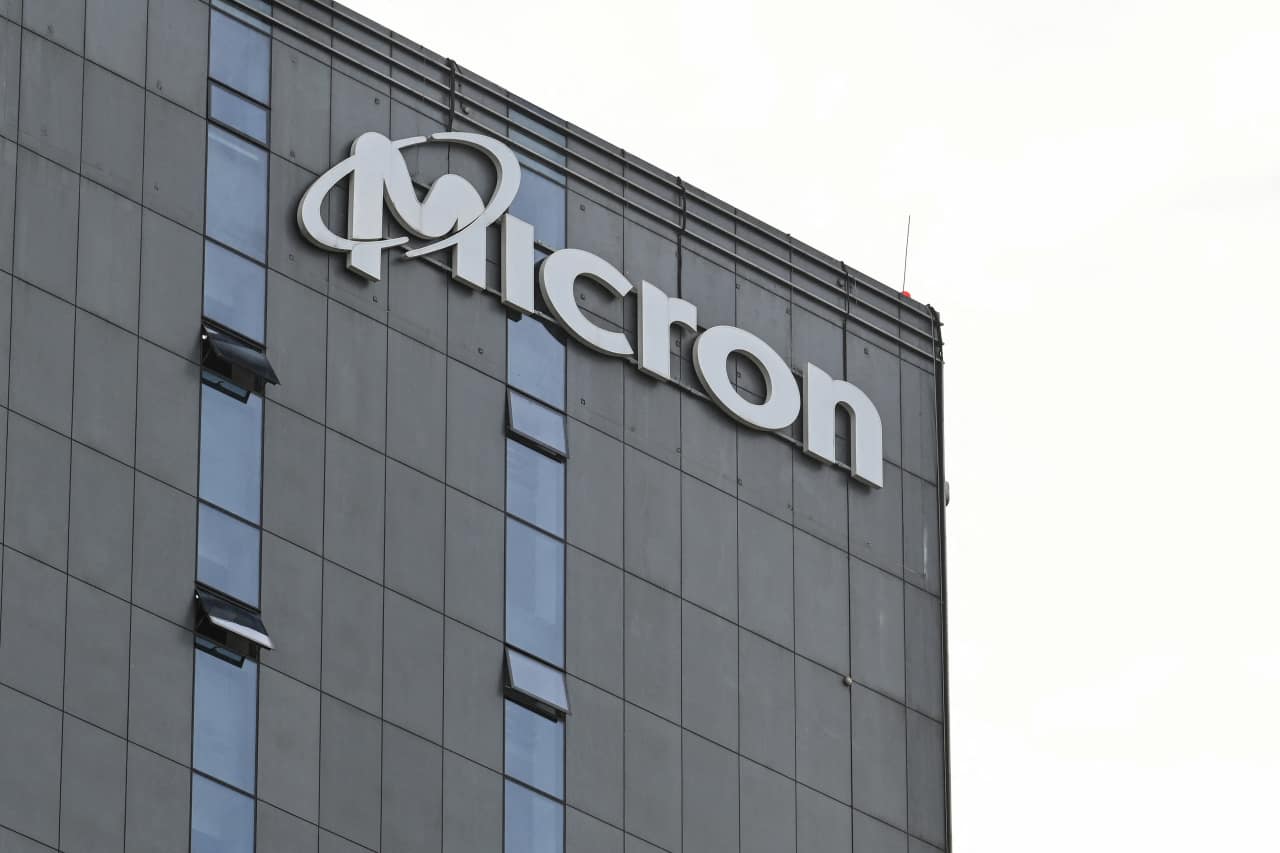
Micron Technology is on the verge of becoming the third most profitable company in the United States, trailing only Nvidia and Alphabet's Google, as surging artificial intelligence investment reshapes the semiconductor landscape. The chipmaker's dramatic financial turnaround is being powered by Big Tech's willingness to pay premium prices for AI-grade memory components — a shift that has transformed Micron from a cyclical also-ran into one of Wall Street's most closely watched growth stories.
The economics driving this reversal are straightforward: AI systems, particularly large language models and the data centers that run them, require vast quantities of high-bandwidth memory that only a handful of manufacturers can supply at scale. That supply-demand imbalance has given Micron extraordinary pricing power, allowing margins to expand at a pace that is startling even by semiconductor industry standards.
Read more Why U.S. Markets Continue to Defy 'Sell America' Predictions →
The speed of the turnaround underscores how thoroughly AI spending has reshuffled corporate America's profit rankings. Companies that once seemed firmly entrenched in the upper tiers of US profitability are now being outpaced by chipmakers whose fortunes rise and fall with the appetite for next-generation computing infrastructure. Micron's ascent mirrors — albeit on a smaller scale — the trajectory that vaulted Nvidia to the top of global market-cap charts in recent years.
For investors, the implications are significant. A Micron capable of generating profits rivaling Google's would represent a fundamental re-rating of the stock, not merely a cyclical bounce. Whether the company can sustain those levels depends heavily on whether Big Tech continues its aggressive AI capital expenditure programs, a bet that most major cloud providers have publicly reaffirmed heading into the next fiscal cycle.
Continue reading at MarketWatch.com