MLS Eyes World Cup Boost to Lift Its Global Profile
Major League Soccer is positioning itself to capitalize on World Cup momentum as the tournament heads to North America.
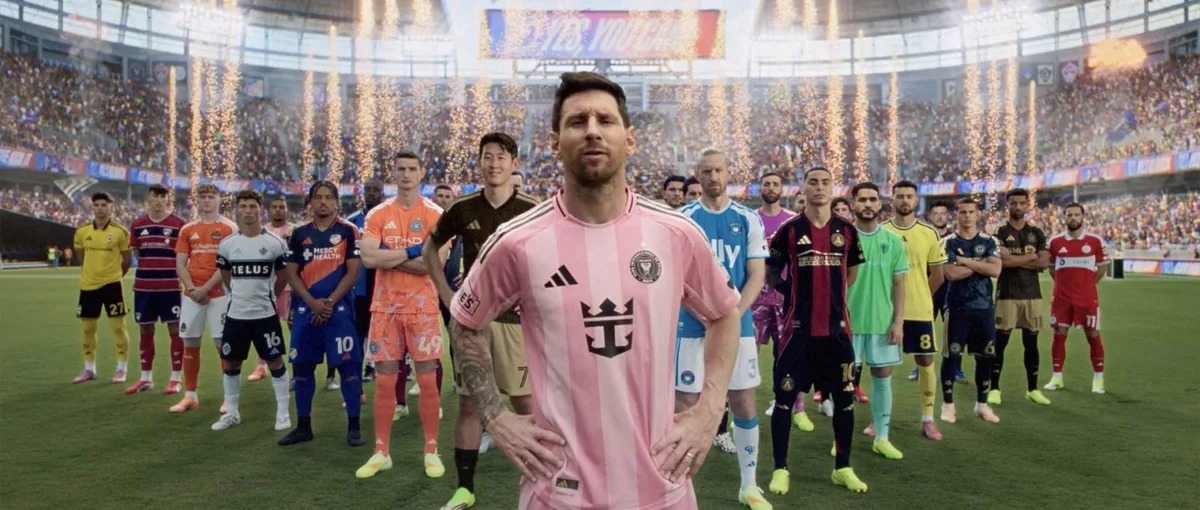
Major League Soccer is making a calculated push to convert World Cup excitement into lasting fan engagement, betting that hosting the world's biggest soccer tournament on home soil will give the league a rare chance to redefine its standing on the global stage. With the 2026 FIFA World Cup set to be played across the United States, Canada, and Mexico, MLS officials and marketing partners are racing to ensure the league is seen as a natural next stop for fans whose appetite for the sport will be at a fever pitch.
The timing carries enormous strategic weight. North American soccer viewership has climbed steadily over the past decade, and league executives believe a successful World Cup cycle could accelerate fan acquisition in ways that conventional advertising campaigns simply cannot replicate. The core challenge is converting casual World Cup viewers — many of whom follow international stars rather than club teams — into committed MLS ticket buyers and subscribers.
Read more Four AI-Powered SRE Tools Worth Using in 2025 →
Brand positioning is central to that effort. MLS is working to align its identity with the prestige and energy of the World Cup rather than be overshadowed by it, a delicate marketing balance that requires the league to amplify its own narratives — emerging domestic talent, rivalry storylines, and stadium atmospheres — while the global spotlight is still shining on North American pitches.
Analysts watching the league's trajectory note that previous international tournaments have delivered short-term ratings bumps for domestic soccer without guaranteeing sustained growth. The difference this time, proponents argue, is geography: fans who attend or closely follow a World Cup played in their own backyard are statistically more likely to seek out live soccer experiences locally, giving MLS a structural advantage it has never had before.
Whether the league can execute what amounts to a multi-year brand handoff from FIFA's spectacle to its own product remains the defining question for MLS leadership heading into the most consequential period in the sport's North American history. Continue reading at adweek.