
NATO Defense Spending Pledges Face Scrutiny at Summit
Allied leaders gather to prove Europe can convert defense spending promises into real military capability as Washington demands greater burden-sharing.
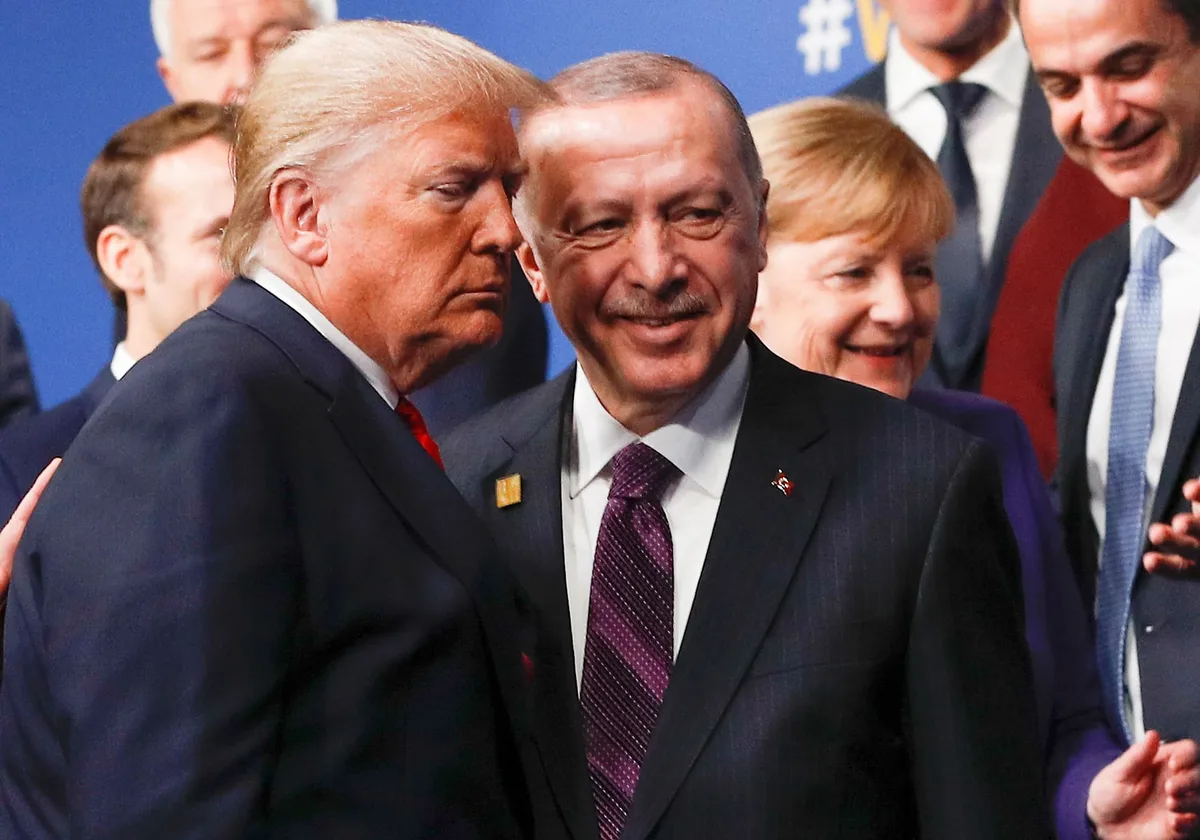
NATO allies are converging on a high-stakes summit where the central question is not how much money European nations have pledged to defense, but whether those pledges are translating into tangible military power on the ground. The Trump administration has made burden-sharing a defining demand of its transatlantic relationship, and leaders arriving at the meeting face pressure to demonstrate concrete results rather than spreadsheet commitments.
The gathering marks what analysts are calling a pivotal moment for the alliance — sometimes dubbed 'NATO 3.0' — in which the old model of American military dominance underwritten by modest European contributions is being forcefully challenged. Washington's posture signals that symbolic pledges will no longer satisfy an administration that views financial equity as the baseline of a credible alliance.
Read more Five NATO Allies Set to Exceed 3.5% GDP Defense Spending in 2025 →
Europe has responded with a wave of defense budget increases in recent years, driven in part by Russia's war in Ukraine and in part by direct American pressure. But converting higher spending into deployable capabilities, trained personnel, and modern equipment takes time, and the gap between announced budgets and battlefield-ready forces remains a source of tension between allies.
The summit puts allied governments in a difficult position: they must persuade Washington that the trajectory is real while simultaneously managing domestic political resistance to military expenditure at levels not seen since the Cold War. How leaders navigate that dual pressure could shape the alliance's cohesion heading into an uncertain geopolitical period.
Continue reading at US Top News and Analysis.