New Research Claims to Predict Market Bubbles: What It Shows Now
Scientists say they've cracked bubble prediction — and one sector is flashing warning signs while broader markets remain stable.
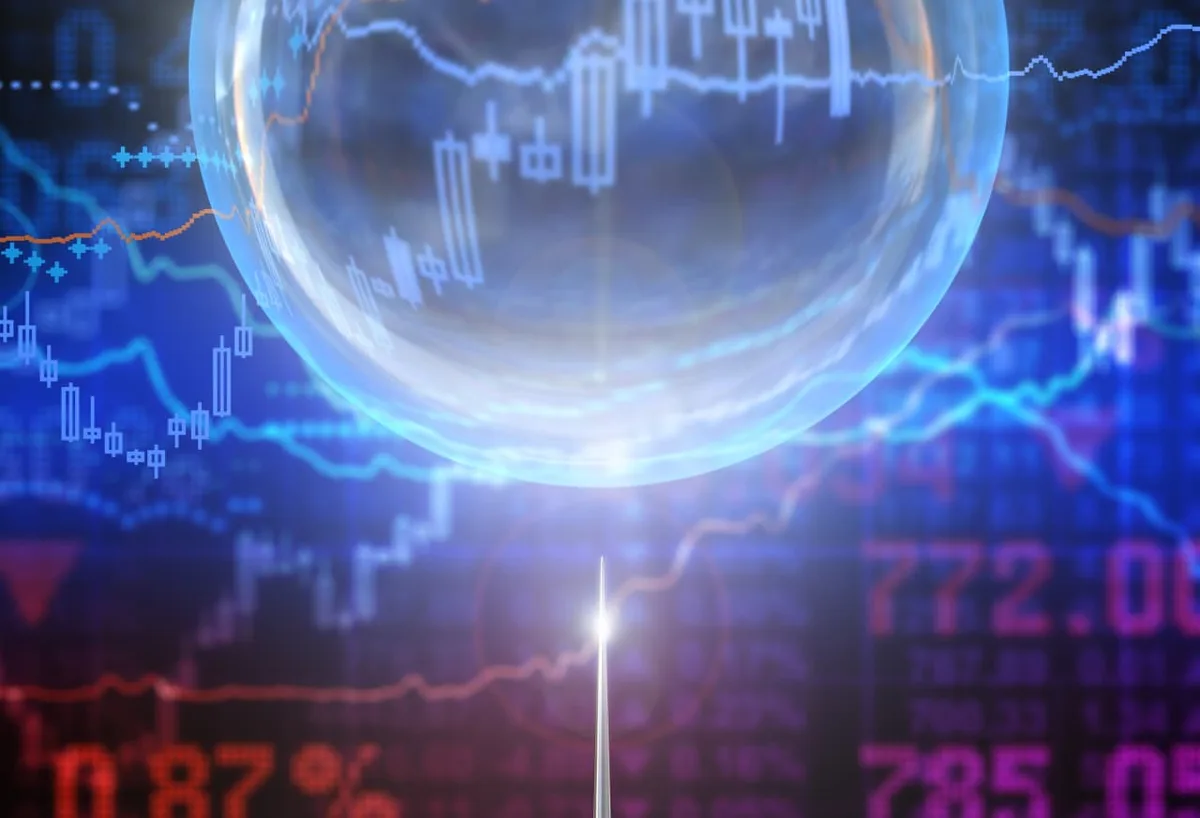
Researchers say they have developed a reliable method for identifying stock market bubbles before they burst, offering investors a potential early-warning tool at a time when equity valuations have drawn intense scrutiny. The findings arrive as major U.S. indexes have staged significant price run-ups, fueling debate on Wall Street about whether current gains reflect fundamentals or speculative excess.
The core insight from the research is that rising prices alone are not sufficient evidence of a bubble forming — a nuance that cuts against the instinctive alarm many investors feel during prolonged rallies. According to the methodology, most of today's stock market gains do not meet the technical criteria that historically precede a crash, offering some reassurance to bulls who argue the rally is grounded in earnings growth and economic resilience.
Read more Ranking the Magnificent Seven Stocks by Future Cash Flow Value →
However, the researchers identified at least one sector where the bubble-detection model is sending a distinctly different signal. That pocket of the market is exhibiting the kind of price behavior the framework flags as genuinely dangerous — the sort of pattern that, historically, has resolved through sharp and painful corrections rather than gradual cooling.
The findings carry practical weight because predicting bubbles has long been considered one of finance's hardest problems. Legendary investors and Nobel laureates alike have struggled to distinguish sustainable momentum from dangerous mania in real time. A systematic, data-driven model — if it holds up to scrutiny — could shift how institutional and retail investors alike approach risk management during extended bull markets.
For now, the research suggests investors should resist painting the entire market with the same bubble brush while remaining alert to concentrated risks in the sector the model is flagging. Continue reading at MarketWatch.com.