
Nvidia CEO Huang Dismisses Black Market AI Data Centers as Dead Ends
Jensen Huang warns that data centers built from smuggled Nvidia chips offer no viable path forward as U.S. regulators tighten controls on AI exports to China.
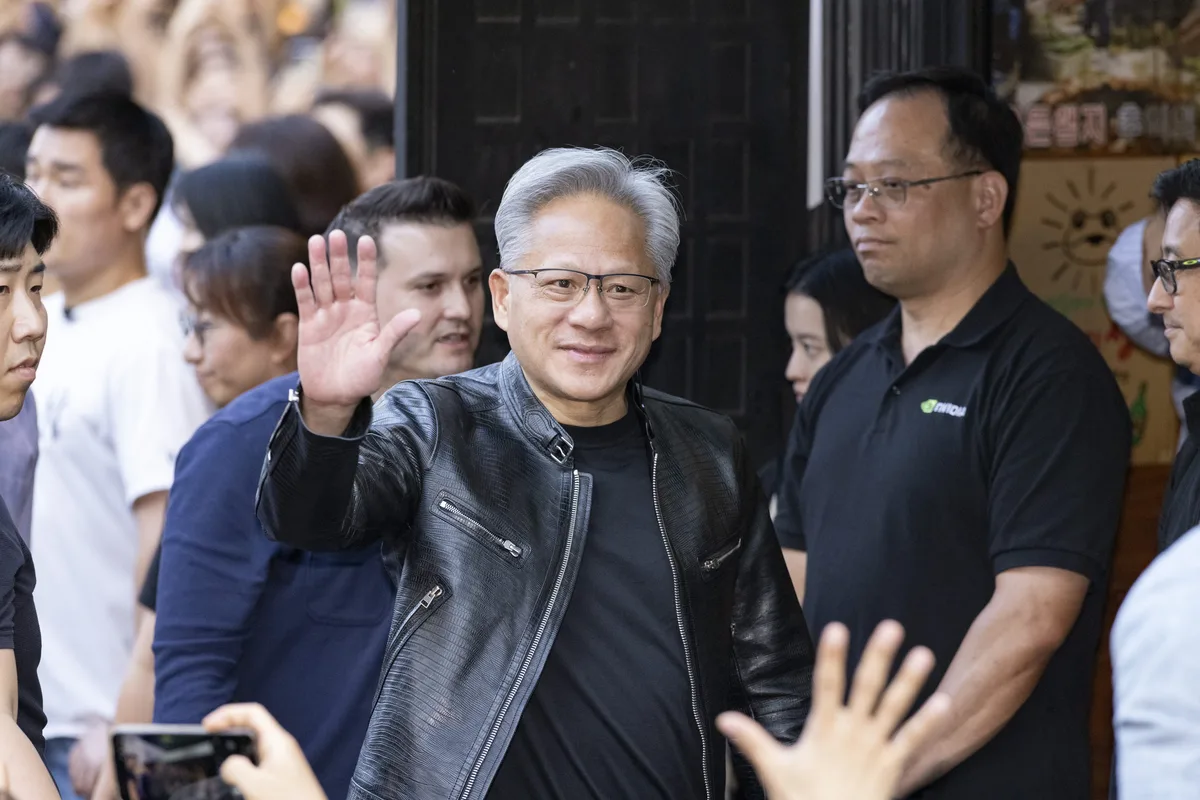
Nvidia CEO Jensen Huang publicly dismissed black market data centers constructed from smuggled components as a strategic dead end, delivering a pointed message to those attempting to circumvent American export restrictions on advanced AI hardware. His remarks come as scrutiny over China's access to cutting-edge AI technology intensifies at the highest levels of the U.S. government.
Washington regulators and the Trump administration have grown increasingly alarmed by the prospect of China acquiring advanced AI chips and software, viewing such access as a potential threat to national security and American technological dominance. Export control enforcement has tightened in response, with authorities targeting smuggling networks that funnel restricted semiconductors overseas.
Read more IAEA Chief Confirms Iran Inspections Will Proceed Amid Talks →
Huang's framing of illicit data center operations as a dead end carries significant weight given Nvidia's commanding position in the AI chip market. By characterizing these underground networks as fundamentally unworkable rather than merely illegal, he underscores that the performance, support infrastructure, and scalability advantages of legitimate hardware ecosystems cannot be replicated through contraband supply chains.
The remarks reflect a broader industry acknowledgment that export controls, while difficult to enforce perfectly, create compounding disadvantages for those who attempt to build serious AI infrastructure through illicit channels. Without access to software updates, warranty support, and the full ecosystem surrounding legitimate chips, black market operations face mounting technical and operational limitations over time.
As the U.S. and China continue to contest leadership in artificial intelligence, the debate over export controls and enforcement mechanisms is expected to intensify, with major chipmakers like Nvidia caught at the center of a geopolitical struggle over who controls the future of computing. Continue reading at US Top News and Analysis.