Nvidia Eyes Trillion-Dollar Robotics Boom: How to Trade It
Nvidia CEO Jensen Huang sees humanoid robots as a multitrillion-dollar opportunity. Here's the lesser-known way investors can position themselves.
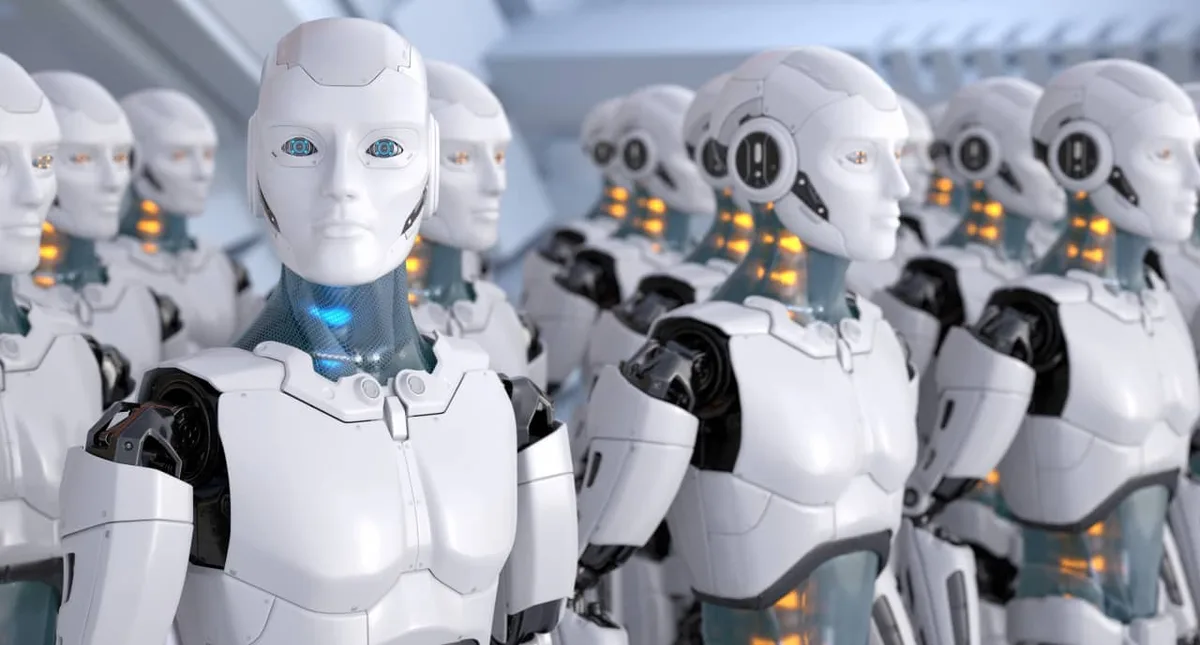
Nvidia is placing a major strategic bet on the rise of humanoid robotics, with CEO Jensen Huang publicly labeling the sector a "multitrillion-dollar economic opportunity" — a signal that the chipmaking giant sees far more than graphics cards and data centers in its future. The company's ambitions in physical AI and robotics have drawn fresh attention from investors searching for the next leg of Nvidia's growth story beyond its dominant AI chip business.
While most market watchers focus on Nvidia's core GPU hardware as the primary vehicle for capitalizing on this thesis, analysts and traders are now pointing to a less obvious avenue for exposure — one that may carry different risk and reward characteristics than simply buying Nvidia shares outright. The so-called "hidden" trade reflects growing sophistication among retail and institutional investors who want targeted robotics exposure without concentrating solely in a single mega-cap name.
Read more MTUM ETF November Reconstitution: Micron's Weight in Focus →
Humanoid robotics represents a convergence of Nvidia's existing strengths: high-performance computing, AI model training, and simulation software. The company's platforms are already used to train and test robotic systems in virtual environments before they are deployed in the physical world, giving Nvidia a potential toll-road position across the entire robotics supply chain — not just the hardware layer.
The scale of the opportunity Huang describes would dwarf even the current AI infrastructure buildout, which itself has driven Nvidia's market capitalization into the trillions. Whether humanoid robots achieve that kind of economic footprint depends on advances in dexterity, autonomy, and cost reduction that are still years away for most commercial applications — but investors appear increasingly willing to price in that future today.
Continue reading at MarketWatch.com