
Oil Slides Over 3% as U.S. Opts for Economic Pressure on Iran
Crude prices fell sharply after Washington signaled it would pursue economic leverage over Iran rather than military action, calming war fears.
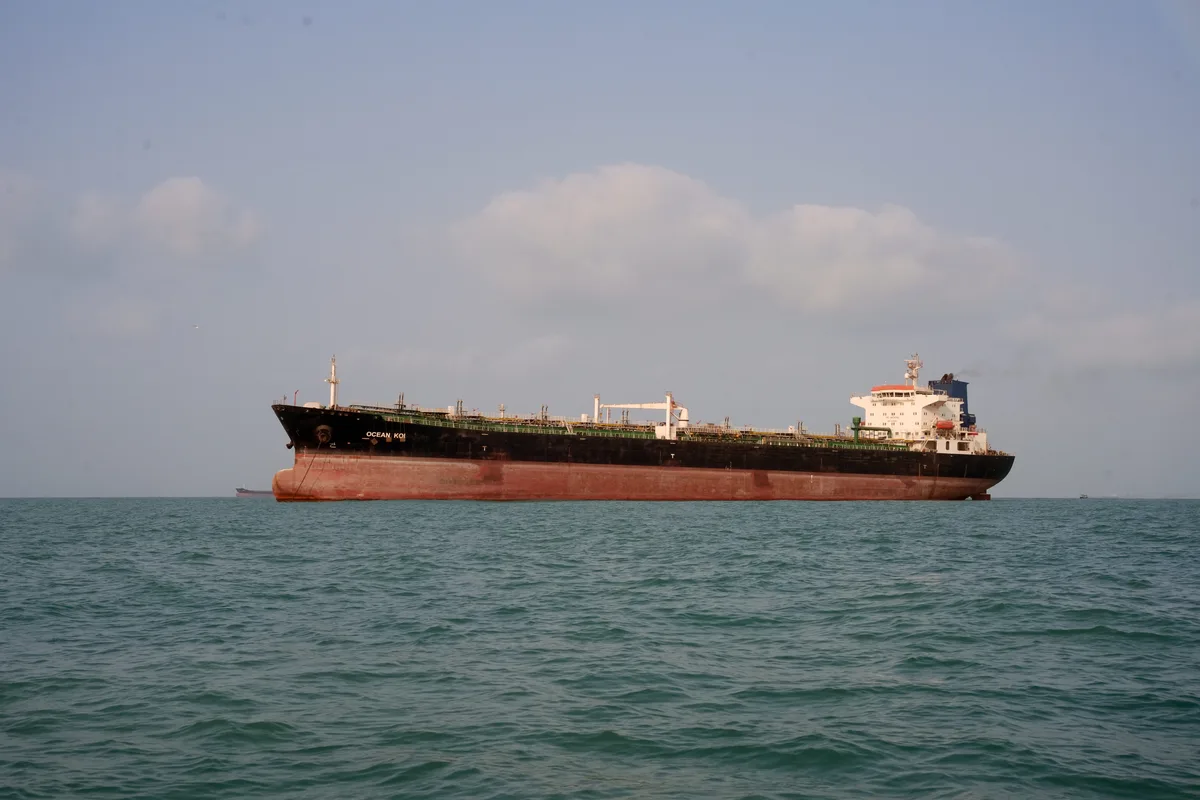
Oil prices tumbled more than 3% on Monday after the United States signaled a shift toward economic pressure on Iran rather than direct military confrontation, easing investor fears that the Persian Gulf standoff could escalate into a full-scale conflict that would disrupt global energy supplies.
Market participants responded swiftly to the diplomatic signals out of Washington, pricing out a significant portion of the geopolitical risk premium that had been baked into crude benchmarks in recent sessions. The pivot away from military posturing toward sanctions-driven tools was enough to reassure traders who had braced for potential supply disruptions from one of the world's most strategically important oil-producing regions.
Read more Dick's Sporting Goods Stock Plunges 30% on Weak Q2 Results →
The move underscores how sensitive energy markets remain to U.S.-Iran tensions, where even subtle shifts in foreign policy language can send prices swinging by several percentage points in a single session. Analysts note that so long as Washington keeps the confrontation in the economic and diplomatic arena, the immediate threat to crude supply chains remains limited — though sanctions themselves can exert their own long-term pressure on Iranian oil exports.
Investors largely set aside other geopolitical noise tied to the broader U.S.-Iran dynamic, focusing instead on the reduced probability of a military flashpoint that could choke off tanker routes through the Strait of Hormuz, a critical chokepoint for roughly 20% of global oil flows. The market's sharp reaction reflects just how quickly sentiment can reverse when war risk recedes.
Continue reading at US Top News and Analysis.