Prediction Markets Raise Insider Trading Fears at Major Firms
Goldman Sachs and other companies are updating trading policies as prediction markets grow, raising fresh insider trading concerns among employees.
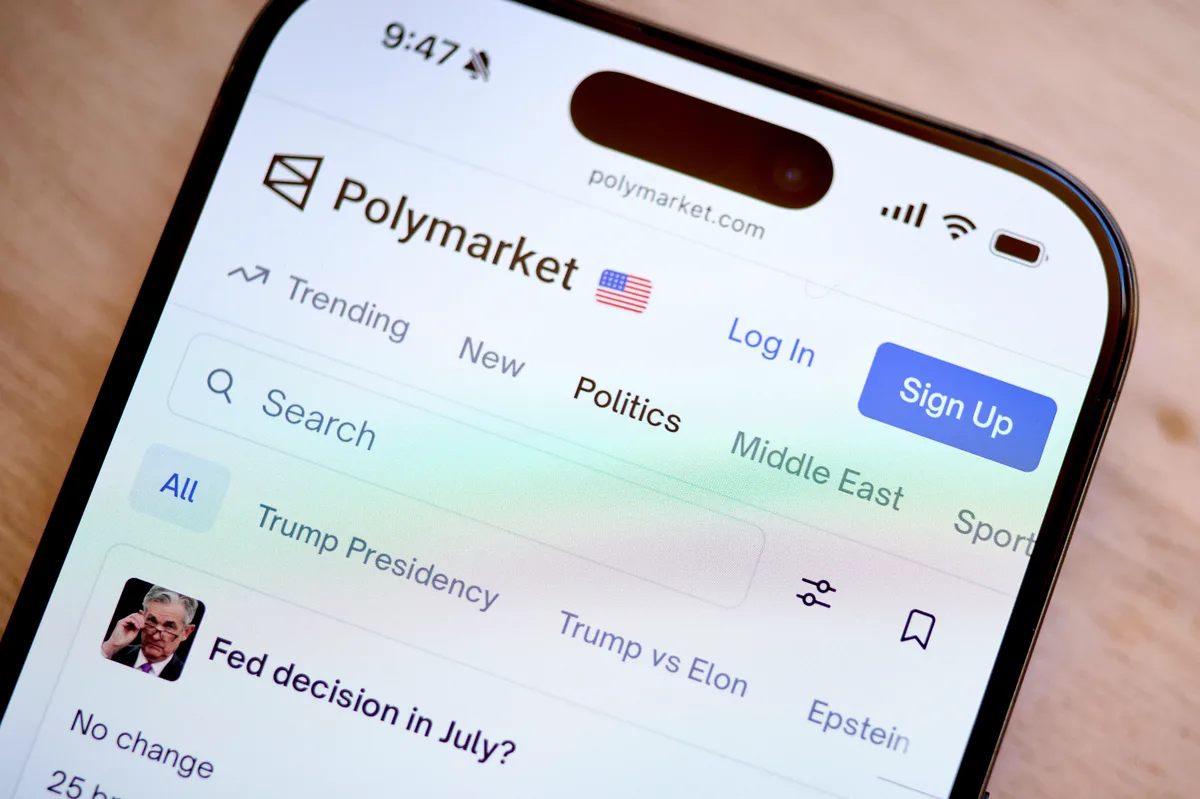
Wall Street and corporate America are grappling with a fast-emerging compliance headache: prediction markets, where users bet real money on the outcomes of political, economic, and corporate events, are now drawing scrutiny over whether employees with inside knowledge could exploit them for illicit gain. CNBC contacted 50 companies to determine how they are responding to the threat, and only a handful had a clear answer ready.
Goldman Sachs is among the firms that have begun addressing prediction market activity in their internal trading policies, signaling that the financial industry is starting to treat these platforms with the same seriousness as traditional securities trading. The slow and fragmented response across corporate America suggests that most organizations have yet to catch up with the rapid expansion of these markets.
Read more Investing Club Homestretch: Key Updates on 7 Portfolio Stocks →
The concern is straightforward: an employee who knows, say, that a merger is imminent or that a company is about to miss earnings could place a well-timed bet on a prediction platform and profit before that information becomes public. Unlike stock trades, prediction market activity has historically faced far less regulatory oversight, creating a potential gray zone that compliance officers are now scrambling to close.
The fact that CNBC's outreach to 50 companies yielded only a small number of substantive responses underscores how unprepared most firms remain. Legal and compliance experts warn that the absence of explicit policies does not protect a company — or its employees — from liability if regulators decide to pursue enforcement action in this space.
As prediction markets grow in volume and legitimacy, pressure is mounting on regulators and corporations alike to establish clearer guardrails. For now, employees at most firms are navigating murky territory with little formal guidance. Continue reading at US Top News and Analysis.