
Rubio Unveils Lebanon Peace Framework Amid Deep Hurdles
Secretary Rubio laid out a U.S.-backed plan to disarm Hezbollah and restore Lebanese sovereignty, but the group and Iran pose major obstacles.
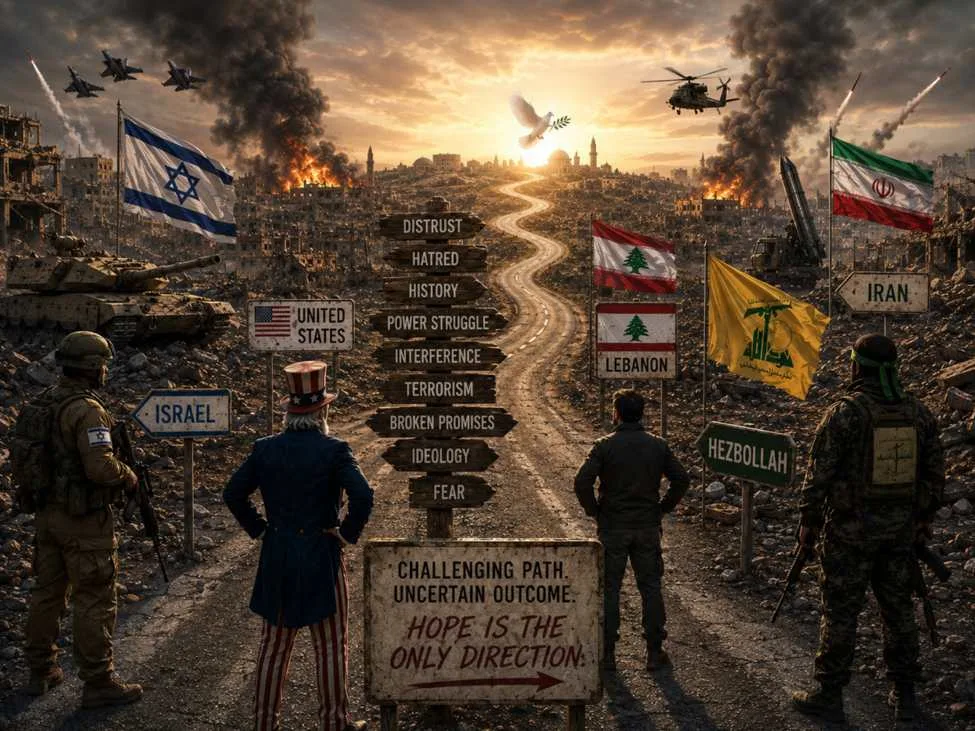
U.S. Secretary of State Marco Rubio unveiled a structured framework Wednesday aimed at ending hostilities in Lebanon, calling for the disarmament of Hezbollah, the restoration of Lebanese state authority over all territory, and Israel's eventual return to its borders once security threats are neutralized. The announcement comes as Washington seeks to engineer a durable regional security arrangement before conflict widens further.
The plan includes the creation of a trilateral military coordination group, an immediate $100 million in U.S. humanitarian assistance coordinated through the United Nations, and more than $30 million in reimbursements to the Lebanese Armed Forces under existing congressional authorities. Lebanese Prime Minister acknowledged the framework, stating Beirut's core obligation is to extend state control through its military across all Lebanese territory.
Read more Trump Threatens 100% Tariff on Nations With Digital Taxes →
Hezbollah remains the central obstacle. The group's leadership has publicly rejected any negotiation over its weapons stockpile, insisting its armed presence constitutes a necessary resistance force against Israel. The organization has signaled it will refuse arrangements it interprets as externally imposed disarmament or capitulation — a stance that directly collides with every pillar of Rubio's proposal.
Israel's calculus adds further complexity. Jerusalem insists Hezbollah fighters and weapons must be pushed back from the northern border and that any deal include enforceable security guarantees — not simply another ceasefire. Israeli policymakers remain deeply skeptical following the largely unmet requirements of UN Resolution 1701, which emerged from the 2006 war but failed to prevent Hezbollah's subsequent military buildup.
Iran, Hezbollah's principal patron, views the group as a strategic deterrent and a cornerstone of its regional influence in the Levant. Tehran is unlikely to encourage disarmament that would diminish its leverage, making a negotiated settlement considerably harder to achieve. The conflict's web of competing interests — spanning the U.S., Israel, Lebanon, Hezbollah, and Iran — means any single actor could unravel a deal before it takes hold. Continue reading at Forexlive.