
Russia-China Alliance: How Big a Threat Is It to NATO?
Growing ties between Moscow and Beijing are raising alarms in Western capitals. Here's what the Russia-China partnership means for NATO's future.
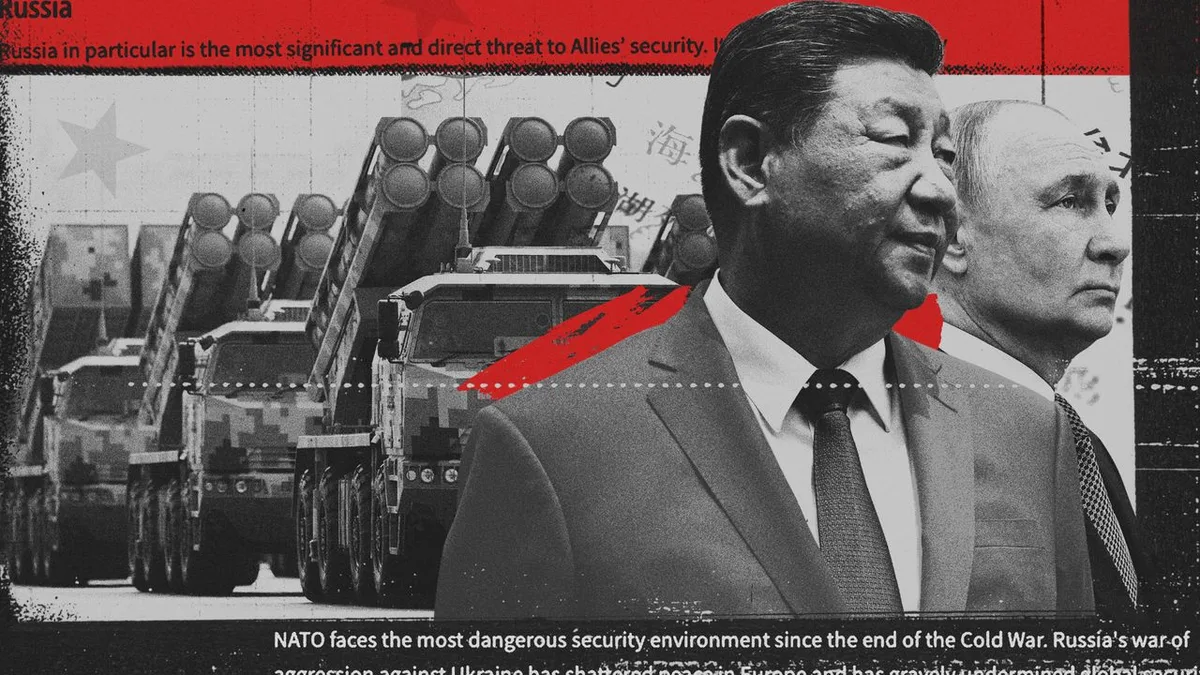
The deepening strategic partnership between Russia and China is drawing intense scrutiny from NATO allies, as Western defense officials weigh whether the two powers' increasingly coordinated posture represents a fundamental threat to the Atlantic alliance's security architecture. The question carries particular urgency at a moment when Russia remains embroiled in its war in Ukraine and China continues to expand its military footprint across the Indo-Pacific.
Analysts have long debated whether the Moscow-Beijing relationship constitutes a full alliance or remains a marriage of convenience — two revisionist powers united primarily by a shared desire to erode American-led global order rather than by genuine strategic trust. That distinction matters enormously for NATO planners, since a formalized alliance would demand a far more sweeping military and diplomatic response than a looser, transactional partnership.
Read more Senate Democrats Push for Hearings on Trump Crypto Ties →
For NATO, the core concern is the possibility of a two-front strategic challenge: a Russia that feels emboldened on Europe's eastern flank because it can count on Chinese economic lifelines and diplomatic cover, and a China that feels freer to press its interests in Asia knowing that Western attention and resources are stretched. Even without a formal treaty, that dynamic could strain alliance cohesion and force difficult conversations about defense spending, burden-sharing, and strategic priorities across member states.
The relationship also complicates Western sanctions regimes and arms-control frameworks. China's continued economic engagement with Russia — particularly in dual-use technology — has blunted the intended bite of Western economic pressure since the 2022 invasion of Ukraine, a fact that frustrates policymakers in Washington, Brussels, and London alike.
Whether the partnership matures into something more threatening or eventually fractures under the weight of competing national interests remains an open and consequential question for Western security planners. Continue reading at theweek.