Singapore PM's Pay to Jump 64% to $3.6M SGD After 15-Year Freeze
Singapore's Lawrence Wong will receive a 64% raise, bringing his annual pay to 3.6 million Singapore dollars — already the world's highest for a national leader.
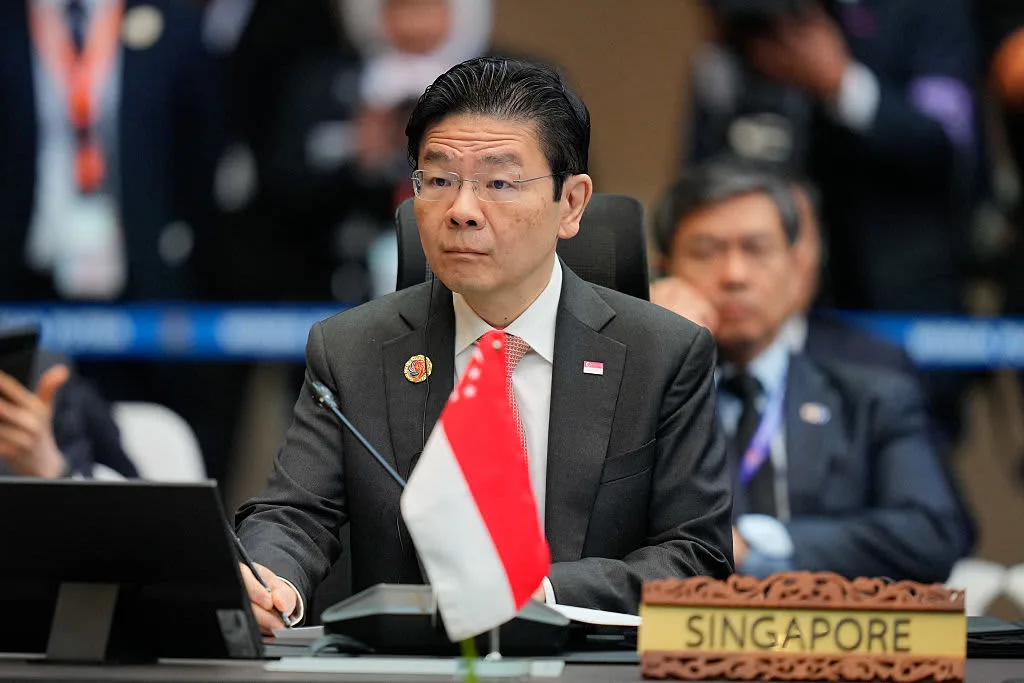
Singapore Prime Minister Lawrence Wong announced this week that ministerial salaries across the city-state will be adjusted upward for the first time in 15 years, with his own annual compensation package climbing to 3.6 million Singapore dollars — a 64% increase that cements his standing as the highest-paid head of government on the planet.
The long-deferred adjustment reflects Singapore's longstanding policy of benchmarking top public-sector pay against private-sector earnings, a framework designed to attract and retain elite talent in government. Officials there have long argued that competitive salaries reduce the temptation for corruption and help draw qualified candidates away from lucrative careers in finance and business — industries that dominate the island nation's economy.
Read more Republicans Back Stock-Trading Ban for Congress Amid Trump Trade Surge →
Even before this raise, Wong led global rankings for government leader compensation by a considerable margin. By comparison, US President Joe Biden earned roughly $400,000 per year, while leaders of major European economies typically earn far less than their Singaporean counterpart — underscoring just how dramatically Singapore's compensation philosophy diverges from prevailing norms in Western democracies.
The announcement is likely to reignite debate both at home and abroad about the appropriate level of pay for elected officials. Critics within Singapore have questioned whether such salaries create a disconnect between leaders and ordinary citizens, while proponents maintain the system has delivered decades of stable, corruption-free governance and economic growth that few nations can match.
Whether other governments take note of Singapore's approach remains to be seen, but the 15-year gap between adjustments suggests even this city-state moves cautiously on politically sensitive pay decisions. Continue reading at US Top News and Analysis.