
Social Security Overpayment Dispute: Can They Cut Your Benefits?
A beneficiary disputes a 7-year SSA overpayment claim, arguing the agency misattributed income to the wrong year.
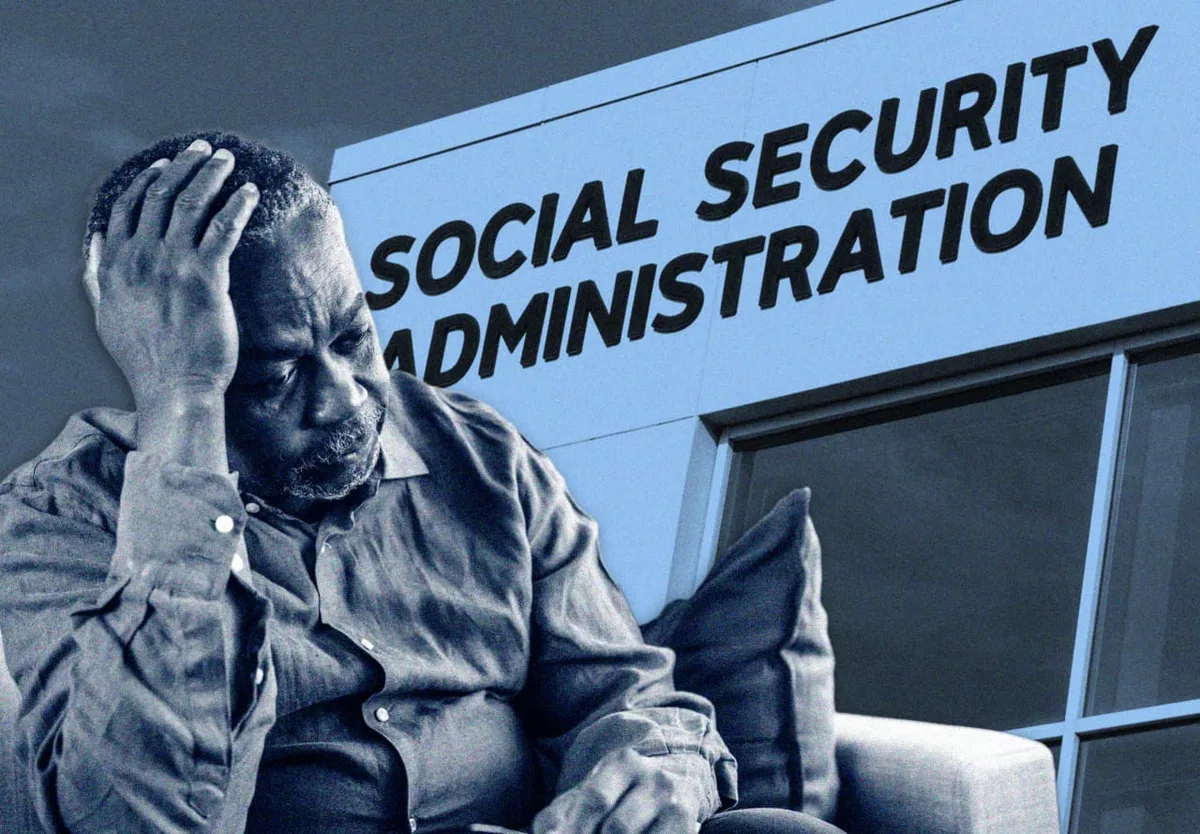
A Social Security beneficiary is fighting back against the agency after being told they were overpaid for seven consecutive years — a dispute hinging on a single year's worth of misattributed earnings. The recipient says the Social Security Administration recorded $43,000 in income as having been earned in 2019, when in fact those wages were earned in 2020, a distinction that could dramatically alter their benefit eligibility calculation.
The case highlights a persistent and underreported problem for Social Security recipients: clerical or data errors by the SSA itself can trigger overpayment notices that place the financial burden squarely on the beneficiary — even when the agency may be at fault. When the SSA determines an overpayment occurred, it holds broad authority to recover those funds, including by reducing or temporarily suspending ongoing monthly benefit payments.
Read more Medicare to Cover GLP-1 Weight-Loss Drugs Starting July 1 →
Beneficiaries who believe an overpayment notice is wrong do have recourse. They can file a formal appeal, known as a request for reconsideration, and may also request a waiver of repayment if they can demonstrate the overpayment was not their fault and that repayment would cause financial hardship. The critical factor in cases like this one is documentation — pay stubs, tax returns, and employer records that clearly establish when income was actually received.
The broader context matters: the SSA has faced mounting scrutiny in recent years over its overpayment recovery practices, with watchdog reports finding the agency sometimes pursued repayment aggressively even in cases where beneficiaries had no reason to suspect an error was occurring. Advocacy groups have urged Congress to reform the clawback rules that allow the SSA to withhold 100% of a monthly check to recover debts.
For anyone facing a similar notice, acting quickly is essential — beneficiaries typically have 60 days from receipt of the overpayment letter to file an appeal before repayment demands or benefit reductions take effect. Continue reading at MarketWatch.com.