South Korea's IPO Slump Dims Equity Market Outlook
South Korea's IPO activity trails regional peers as chaebol structures and governance reform efforts create friction in new listings.
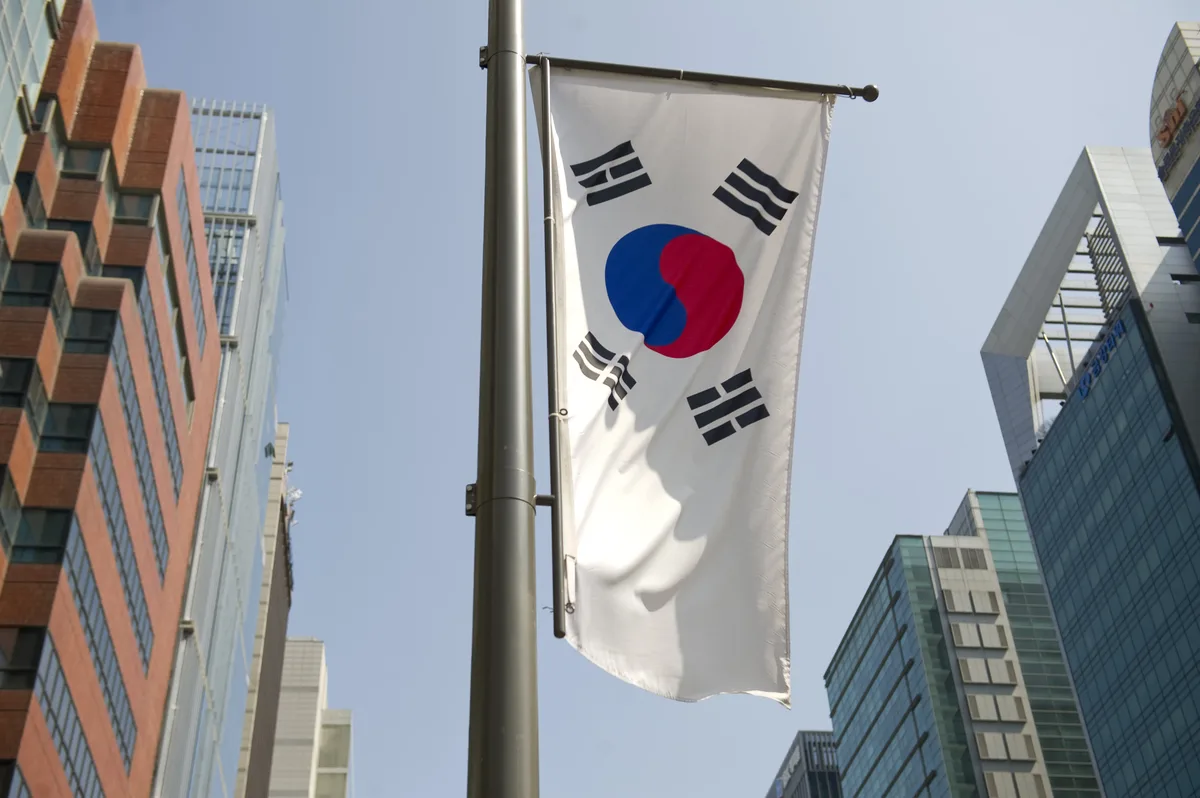
South Korea's initial public offering market is stalling, falling behind regional competitors as the country's deeply entrenched chaebol corporate structure clashes with ongoing efforts to modernize market governance, according to reporting from US Top News and Analysis.
The chaebol system — large family-controlled conglomerates that dominate South Korea's economy — has long been identified as a structural barrier to robust capital market participation. Critics argue these conglomerates have little incentive to pursue public listings when internal capital allocation within sprawling corporate networks can substitute for equity financing.
Read more Cantor Equity Partners Delays Shareholder Vote to July 2 →
Governance reform initiatives, designed in part to make South Korean equities more attractive to domestic and foreign investors, appear to be creating uncertainty rather than confidence in the near term. Companies weighing IPO decisions face an evolving regulatory landscape, complicating the timing and structure of potential listings.
The drag on IPO activity carries broader implications for South Korean equity markets, which have already struggled with a valuation discount relative to global peers — a phenomenon Korean market observers have dubbed the "Korea discount." A thin pipeline of new listings reduces market dynamism and limits investor options at a time when regional rivals are drawing stronger capital inflows.
Analysts watching South Korea's capital markets say the tension between legacy corporate architecture and reform momentum is unlikely to resolve quickly, leaving the IPO outlook clouded for the foreseeable future. Continue reading at US Top News and Analysis.