SpaceX ETF Losses Expose the Dangers of Leveraged Single-Stock Bets
SpaceX shares surged at their market debut then reversed sharply, hammering investors who used leveraged ETFs to amplify their bets.
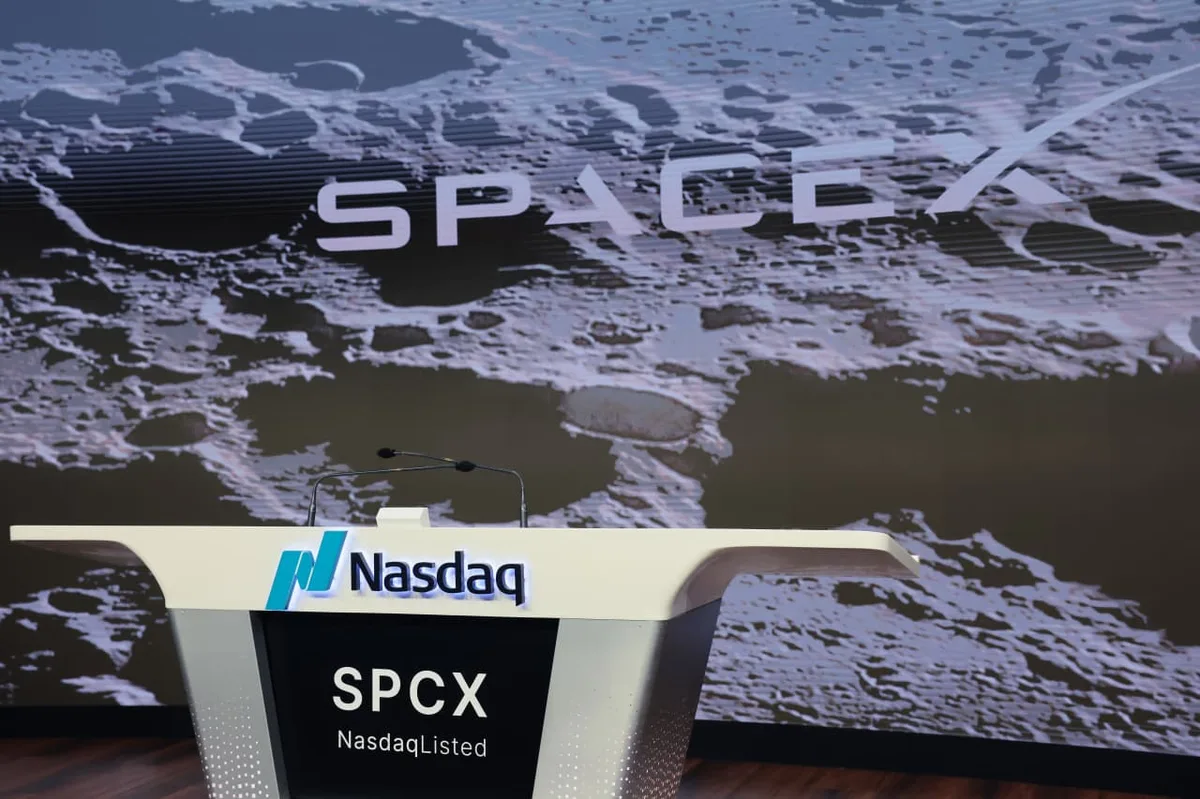
SpaceX stock's dramatic reversal after a blockbuster market debut this month has delivered a harsh lesson to retail investors who piled into leveraged exchange-traded funds tied to the company, underscoring just how quickly amplified bets can turn catastrophic when momentum stalls.
Leveraged ETFs are designed to deliver multiples of a single security's daily return — typically two or three times — using financial derivatives. That structure works in an investor's favor during sustained rallies, but it brutally compounds losses when a stock reverses, a phenomenon known as volatility decay that erodes value even if the underlying shares eventually recover.
Read more Ranking the Magnificent Seven Stocks by Future Cash Flow Value →
SpaceX's post-IPO trajectory captured that dynamic in compressed form. Shares soared at their debut, drawing intense retail enthusiasm and heavy flows into related leveraged products. When the stock pulled back, those amplified vehicles magnified every percentage-point decline, leaving late buyers nursing outsized losses compared with investors who simply held the underlying shares.
The episode adds to a growing body of cautionary evidence about single-stock leveraged ETFs, a product category that regulators and financial advisers have repeatedly flagged as unsuitable for buy-and-hold retail investors. Unlike diversified leveraged ETFs that spread risk across indexes, single-stock versions concentrate exposure in one company's day-to-day volatility, making blow-ups faster and more severe.
For investors drawn to high-profile IPOs and the promise of quick gains, SpaceX's post-debut swings serve as a timely reminder that leverage is a double-edged instrument — and that the ETF wrapper does not soften the underlying risk. Continue reading at MarketWatch.com