
Terrorist Groups Turn to AI Tools to Sharpen Combat Edge
Militant organizations are increasingly adopting artificial intelligence to enhance battlefield operations, raising urgent security concerns.
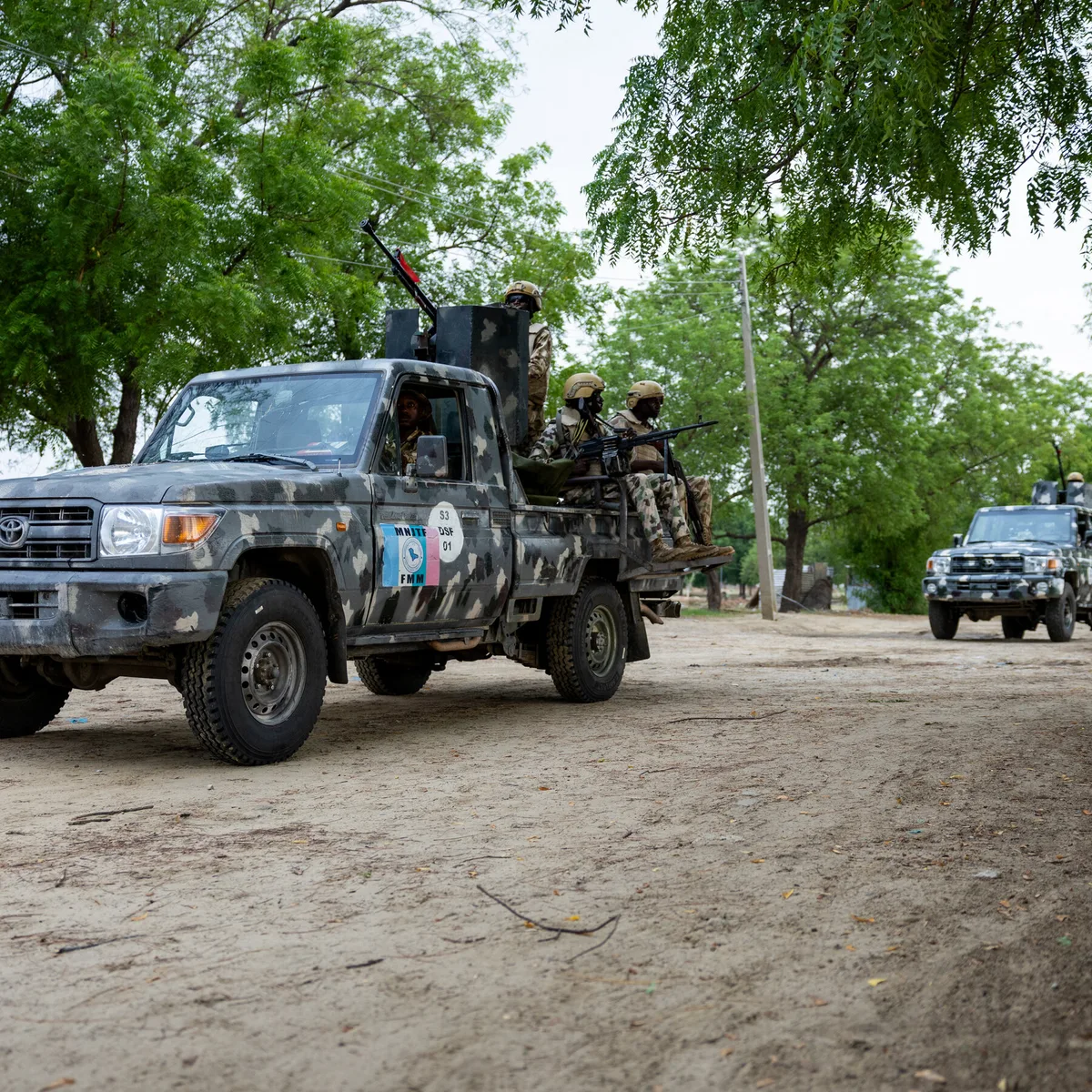
Terrorist and militant groups are actively incorporating artificial intelligence tools into their operations, seeking tactical and strategic advantages that were once exclusive to well-funded state militaries, according to a report from The New York Times. The development marks a significant and alarming shift in how non-state armed actors wage conflict in the modern era.
While the full details of the Times investigation are available only to subscribers, the broader trend reflects what security analysts have long warned about: the democratization of advanced technology creates dual-use risks, meaning the same AI capabilities that power consumer applications can be repurposed for violence, propaganda, recruitment, and battlefield coordination.
Read more Senate Democrats Push for Hearings on Trump Crypto Ties →
The implications stretch well beyond any single conflict zone. AI tools can accelerate the speed at which militant groups process intelligence, craft disinformation, automate communications, and potentially identify vulnerabilities in enemy defenses. As commercial AI becomes cheaper and more accessible, the barrier to entry for non-state actors continues to fall, compressing the technological gap between terrorist organizations and conventional security forces.
Governments and counterterrorism agencies face mounting pressure to develop frameworks that anticipate AI-enabled threats before they fully materialize on the battlefield. The challenge is compounded by the open-source nature of many AI models, which makes restriction and monitoring exceptionally difficult for intelligence communities worldwide.
The New York Times investigation underscores why policymakers, tech companies, and military strategists are treating AI governance not merely as an economic or ethical question, but as an urgent national security imperative. Continue reading at nytimes.