Tim Cook Scrambles to Secure AI Memory Supply Before Leaving Apple
Apple is aggressively pursuing memory supply deals, including talks with restricted Chinese suppliers, as Tim Cook nears the end of his tenure as CEO.
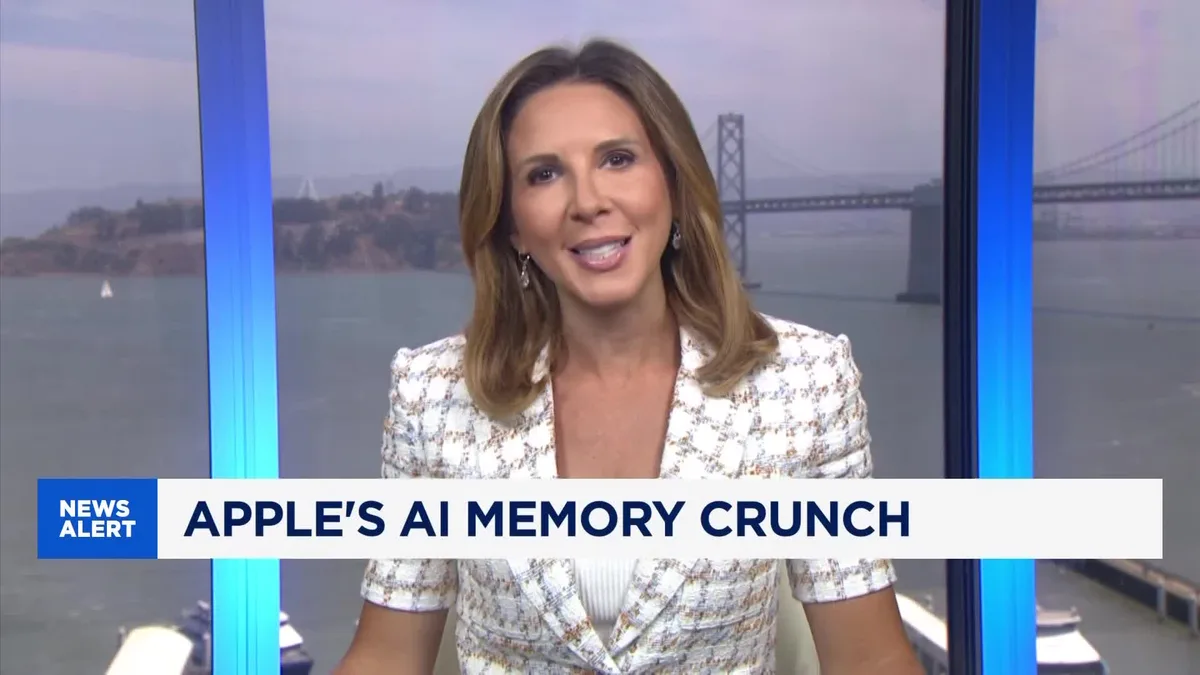
Apple CEO Tim Cook is racing to lock down a stable supply of memory chips critical to powering the company's artificial intelligence-driven iPhone lineup, according to CNBC reporting by MacKenzie Sigalos — a high-stakes push that is unfolding as Cook enters what is widely viewed as his final stretch leading the company.
The urgency stems from Apple's need to secure sufficient memory capacity ahead of what the company is betting will be a major AI-fueled iPhone upgrade cycle. Memory is a foundational component for on-device AI processing, and any supply shortfall could undermine Apple's ability to deliver the performance its marketing promises — and the volume Wall Street expects.
Read more Amazon's Panos Panay Outlines AI Gadget Strategy in CNBC Interview →
Among the more striking dimensions of the effort, Apple has engaged in talks with Chinese suppliers that operate under U.S. trade restrictions, a move that underscores just how tight global memory supply has become and how much pressure Cook is under to solve the problem before a leadership transition occurs. Navigating restricted suppliers adds a layer of geopolitical and regulatory complexity to what is already a logistically demanding challenge.
The timing amplifies the stakes considerably. Cook, who took over from Steve Jobs in 2011 and has led Apple to become one of the most valuable companies in history, is reportedly in the later phase of his CEO run. Whoever succeeds him will inherit an AI hardware strategy whose foundation — including memory supply chains — is being laid right now. A stumble in this cycle could cast a shadow over both Cook's legacy and his successor's early days.
Apple's ability to execute on AI features across its iPhone lineup will be closely watched by investors and analysts as a bellwether for whether the company can compete with rivals already deep into generative AI hardware. Continue reading at CNBC.