Tiny GLP-1 Implant Could Reshape Long-Term Weight Loss Treatment
Vivani Medical is developing a semaglutide implant designed to help patients sustain weight loss beyond injectable GLP-1 drugs.
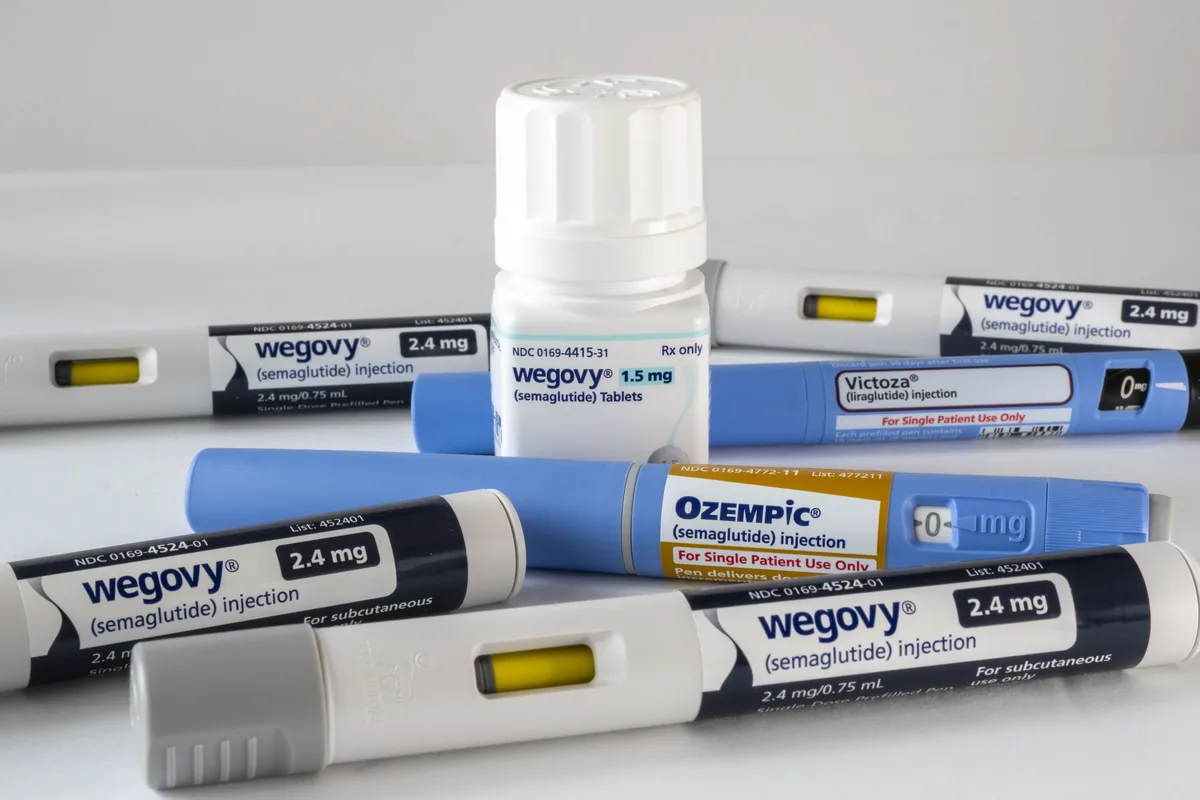
A California-based medical device company is betting that a miniature implant could solve one of the biggest challenges in modern obesity treatment: keeping weight off for good. Vivani Medical is developing a subcutaneous implant that delivers semaglutide, the same active compound found in Novo Nordisk's blockbuster obesity injection Wegovy and its diabetes counterpart Ozempic, directly into the body over an extended period.
The move targets a well-documented gap in GLP-1 therapy — patient adherence. Weekly injections require consistent self-administration, and research has shown that many patients regain significant weight once they stop taking the medication. A long-acting implant could eliminate that variable by providing a continuous, controlled dose without repeated injections.
Read more Apple Sues OpenAI Over Trade Secret Theft, Sparking Tech Backlash →
Vivani's approach represents a broader race in the pharmaceutical and medical device space to extend the commercial life of GLP-1 drugs and differentiate delivery mechanisms. Novo Nordisk and Eli Lilly have dominated the injectable market, but next-generation formats — including pills, patches, and now implants — are emerging as competitors look for new angles in the booming obesity drug sector.
The implant strategy also carries commercial logic: by locking in a sustained-release format, companies can potentially improve patient outcomes while building a more predictable revenue stream. Whether regulators and insurers will embrace the technology remains an open question, and clinical data on the implant's safety and efficacy profile will be critical to determining its path forward.
Continue reading at US Top News and Analysis