
Trump Faces Lawsuits as New Tariffs Take Effect on Brazil, Canada
Legal challenges hit Trump's tariff agenda within hours of new duties taking effect, with experts questioning their legal durability.
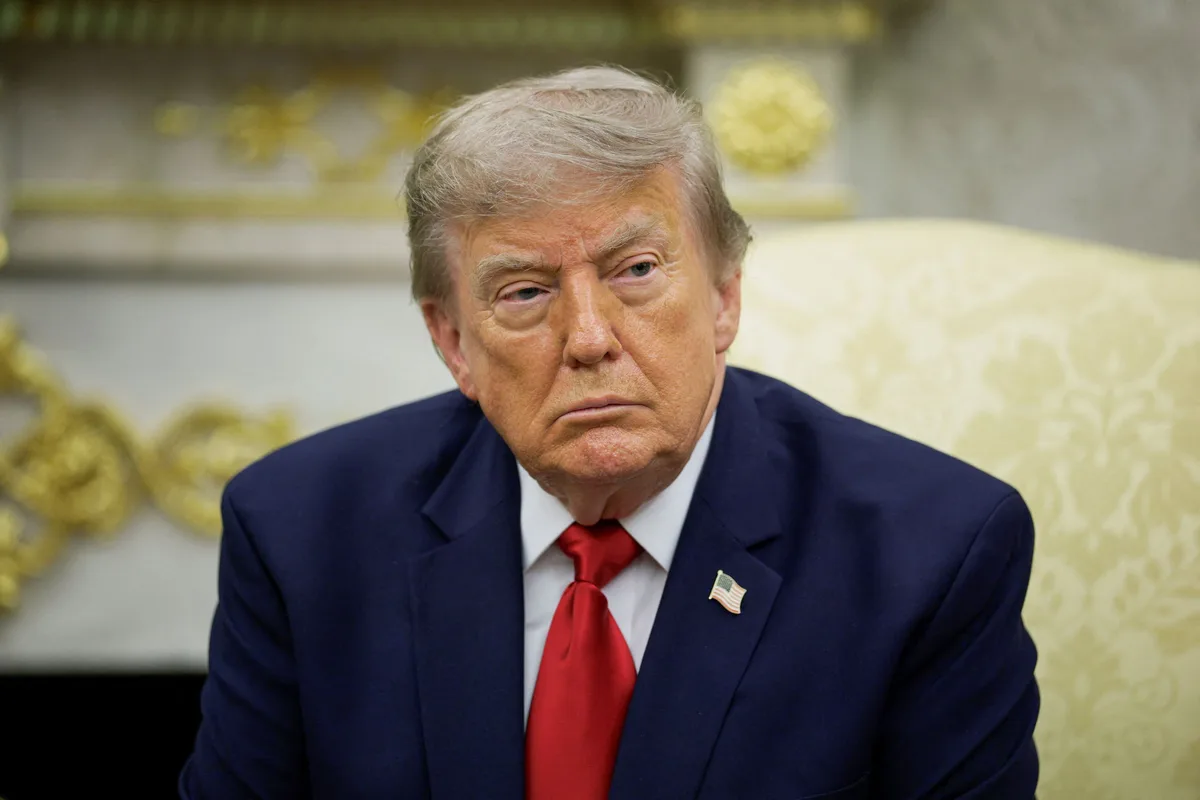
President Donald Trump faced legal challenges within hours of his latest round of tariffs taking effect, as critics and legal experts raised doubts about whether the sweeping trade measures would survive court scrutiny. The administration imposed a 25% duty on Brazilian imports and signaled plans for a 50% tariff on Canadian goods, marking an aggressive escalation of Trump's broader trade war strategy.
Legal experts have warned that the administration's tariff authority may be on shaky constitutional and statutory ground, suggesting the lawsuits filed shortly after the duties kicked in could gain traction in federal courts. Challenges to executive trade powers have historically forced administrations to defend the statutory basis for their actions, and the breadth of Trump's current measures makes them a particularly high-profile target.
Read more AI Distillation Moves From Lab Obscurity to Policy Spotlight →
The twin tariff moves — hitting two of the United States' closest trading partners in Brazil and Canada — sent immediate signals to global markets and foreign governments that the White House is prepared to use economic pressure broadly, even against allies. Canada has been a recurring focal point of Trump's trade agenda, and a threatened 50% rate would represent a dramatic escalation from previous rounds of duties.
Analysts note that even if the lawsuits ultimately succeed in delaying or overturning some measures, the short-term economic disruption from tariff uncertainty can itself reshape supply chains and business investment decisions. The legal battles now unfolding could set important precedents for the limits of presidential tariff authority going forward.
Continue reading at US Top News and Analysis.