Trump Pushes DOJ on Slow Gas Price Drops: What Drivers Should Know
President Trump is pressuring the DOJ to investigate sluggish pump price declines. Four key factors explain the lag between oil markets and retail gas prices.
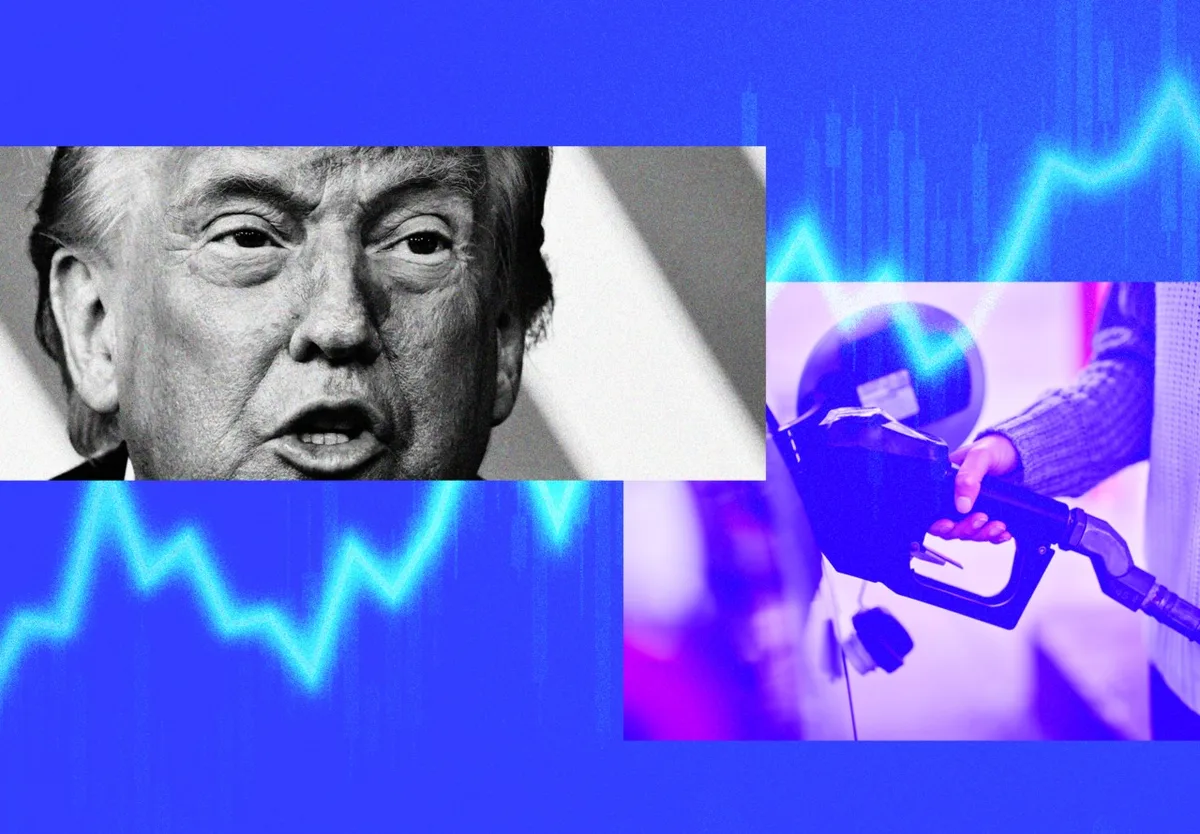
President Donald Trump escalated his frustration over fuel costs this week, directing the Department of Justice to examine why gasoline prices at the pump are not falling as quickly as he believes they should, despite broader declines in crude oil markets. The move signals the administration's intent to scrutinize the supply chain and pricing mechanisms that govern what Americans pay to fill their tanks.
The gap between falling crude oil prices and stubbornly high retail gas prices is not new, and energy analysts point to several structural reasons for the delay. Refineries, distributors, and retailers each add layers of cost and margin to the final price consumers see on the roadside sign, meaning crude fluctuations take time — often weeks — to fully filter through to the pump.
Read more Australia May Jobs Data Could Force RBA's Hand on August Rate Hike →
Beyond the supply chain lag, regional taxes, seasonal fuel blend requirements, and local market competition all influence what drivers pay in any given ZIP code. Summer-grade gasoline, which is more expensive to produce due to environmental regulations, also tends to keep prices elevated heading into the warmer months, limiting how much relief crude price drops can deliver in the near term.
The political stakes are significant. Cheaper gas has long been viewed as a tangible economic win that resonates directly with voters, and Trump has repeatedly tied energy affordability to his broader economic agenda. Whether a DOJ inquiry can meaningfully accelerate price relief at the pump remains an open question for energy economists, who note that market forces rather than legal pressure typically drive retail pricing decisions.
Continue reading at MarketWatch.com