Trump Refuses to Sign Bipartisan Housing Bill Passed by Congress
President Trump says he will not sign the housing bill, meaning it could become law automatically without his signature.
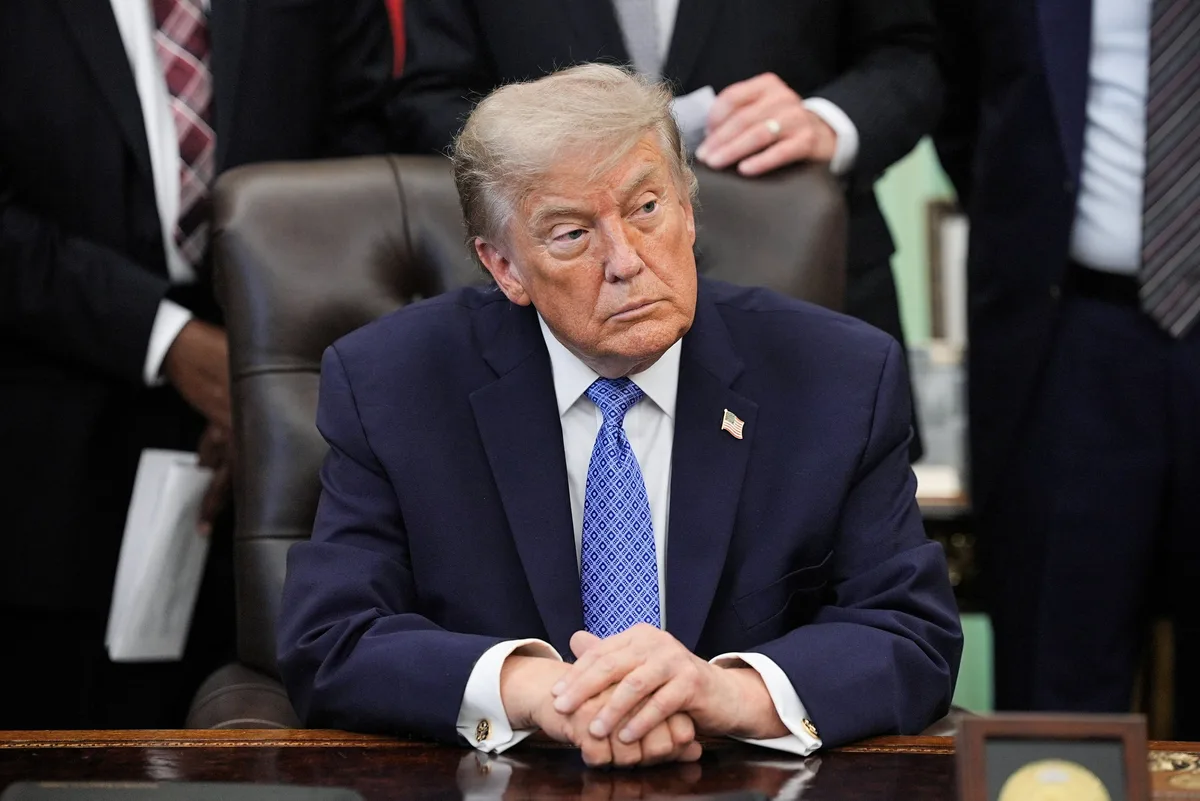
President Donald Trump announced he will not sign a bipartisan housing bill passed by Congress, setting up an unusual scenario in which the legislation could automatically become law without his explicit approval. The move signals the president's reservations about the measure even as lawmakers from both parties rallied behind it.
Congress passed the housing bill in June with strong bipartisan support, driven by mounting concerns over surging home prices and the growing influence of institutional investors in the residential real estate market. The rare show of cross-aisle unity reflected widespread alarm that ordinary buyers are being priced out of homeownership.
Read more Senate Democrats Push for Hearings on Trump Crypto Ties →
Under the U.S. Constitution, if a president neither signs nor vetoes a bill within the prescribed window while Congress remains in session, the legislation becomes law automatically. Trump's stated refusal to sign — rather than an outright veto — leaves the bill's fate in a procedural gray zone that lawmakers and housing advocates will be watching closely.
The bill's passage came amid a broader national conversation about housing affordability, with critics long arguing that large institutional buyers have distorted supply and demand dynamics in key markets. Whether the measure ultimately takes effect without the president's pen could have significant implications for millions of prospective homeowners across the country.
Continue reading at US Top News and Analysis.