Trump Says Iran Wants a Deal, but Nuclear Gap Remains Wide
President Trump again claims Iran reached out seeking negotiations, a familiar pattern that signals de-escalation but masks unresolved nuclear tensions.
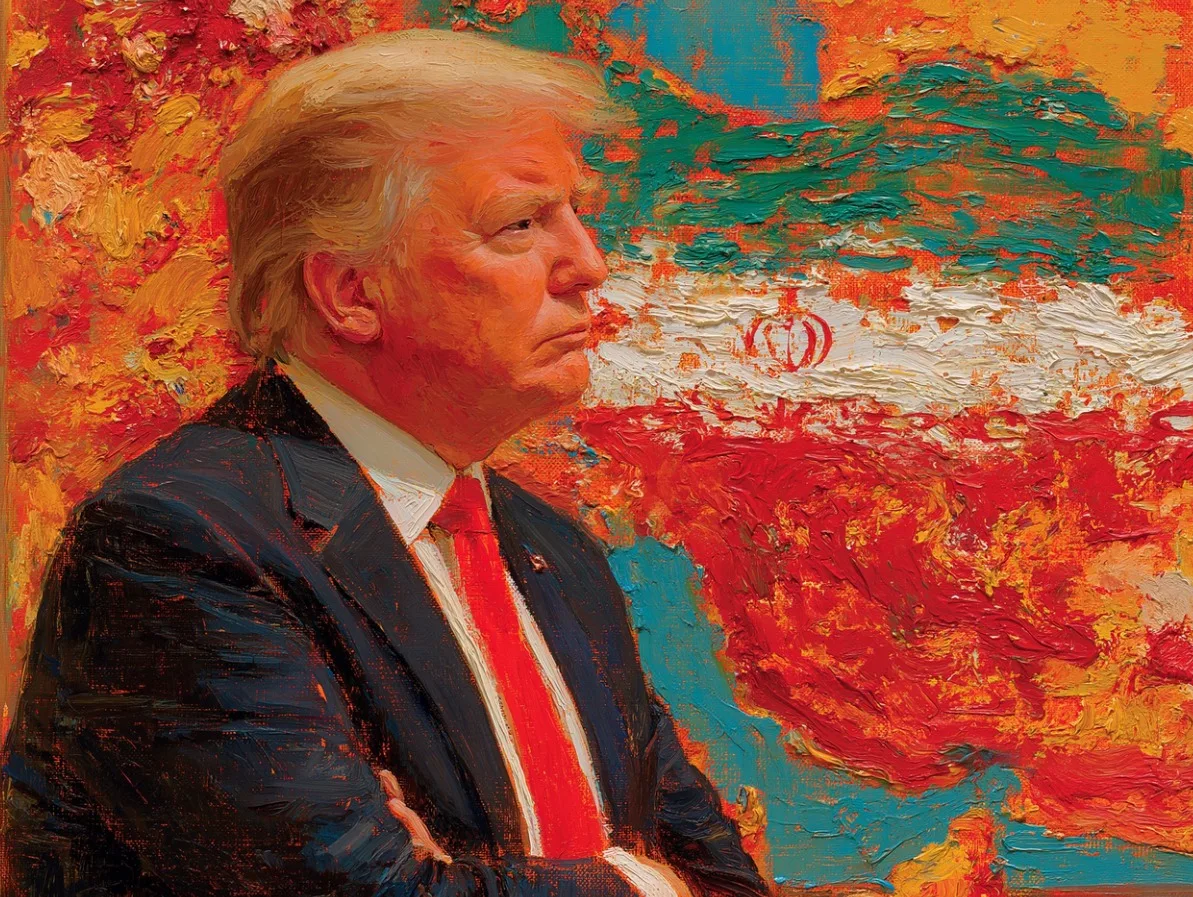
President Donald Trump publicly reaffirmed Monday that Iran contacted U.S. officials seeking a deal, stating that Tehran "informed us that they want to make a deal" — language that mirrors nearly word-for-word what the administration said during earlier ceasefire negotiations between the two countries.
Trump has deployed this rhetorical playbook before. Whether confronting adversaries in the tariff war or trade disputes with China, his consistent pattern is to allow tensions to escalate sharply before announcing that the opposing side is desperate to negotiate. Analysts tracking the president's dealmaking style have noted it typically signals a desire to de-escalate — and for jittery financial markets, that posture is broadly seen as a stabilizing signal.
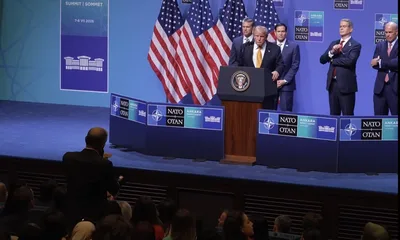
Read more How Trump Reshaped NATO Diplomacy in a Tense 48-Hour Span →
Yet the structural obstacles between Washington and Tehran remain formidable. Iran's continued threats to security in the Strait of Hormuz, Israel's ongoing military operations in Lebanon, and — most critically — a yawning divide over Iran's nuclear and uranium programs mean that any lasting agreement is far from certain. Both governments had agreed to a 60-day window to work toward a framework, but three weeks in, there is no visible progress, with both sides reportedly backpedaling and trading accusations rather than concessions.
The gap on the nuclear question is particularly stark. Despite the diplomatic overture Trump is highlighting, U.S. and Iranian positions on uranium enrichment and weapons development remain fundamentally incompatible. A short-term ceasefire memorandum of understanding does not, on its own, bridge that divide — and without movement there, any broader normalization remains elusive.
Continue reading at Forexlive.