
U.S. Strikes Iran After Alleged Ceasefire Violation in Hormuz
Washington launched military strikes against Iran after Trump accused Tehran of breaking a 60-day no-hostilities agreement during ongoing nuclear talks.
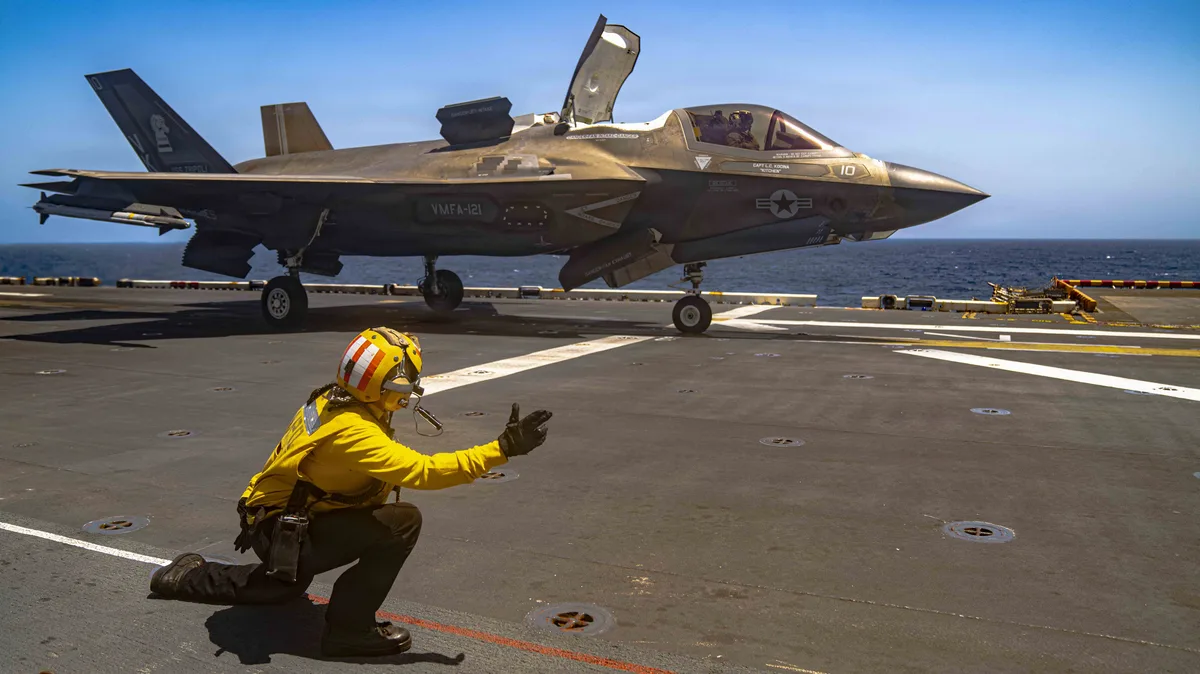
The United States struck Iranian targets after President Trump accused Tehran of violating a fragile ceasefire agreement in the Strait of Hormuz, a critical global shipping lane, escalating tensions during what was supposed to be a diplomatic pause in hostilities.
The strikes came during an active 60-day no-hostilities period that both nations had agreed to observe while engaged in negotiations aimed at ending their conflict. The military action represents a dramatic rupture in what had been a structured diplomatic process between Washington and Tehran.
Read more Trump Threatens 100% Tariff on Nations With Digital Taxes →
Trump's accusation that Iran broke the terms of the ceasefire provided the stated justification for the U.S. military response. The timing — mid-negotiations — raises urgent questions about the future of any diplomatic framework between the two adversaries and the broader stability of the Persian Gulf region.
The Strait of Hormuz is one of the world's most strategically vital waterways, through which a significant share of global oil exports passes. Any sustained military confrontation in or near the strait carries major implications for energy markets, regional allies, and global supply chains.
The full scope of the U.S. strikes and Iran's immediate response remained unclear at publication time, underscoring the fast-moving and volatile nature of the standoff. Continue reading at US Top News and Analysis.