UN Shipping Agency Rejects Strait Transit Fees After Trump Hormuz Plan
The IMO pushed back against charging vessels to pass through international straits, responding to Trump's proposal to levy fees on Hormuz traffic.
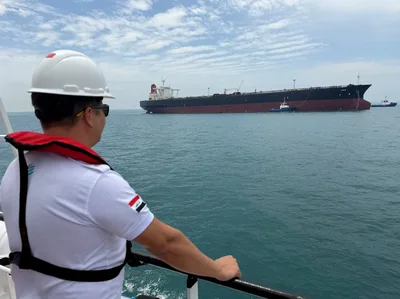
The United Nations' International Maritime Organization formally opposed the imposition of transit fees on any international strait, a direct rebuke of President Donald Trump's reported proposal to charge ships passing through the Strait of Hormuz, one of the world's most critical oil-shipping chokepoints.
The IMO's stance carries significant weight in global maritime governance, as the agency sets binding international rules for shipping safety, security, and environmental standards. By publicly opposing fees on strait passage, the UN body is signaling that such charges would conflict with longstanding principles of freedom of navigation that underpin global seaborne trade.
Read more Federal Regulators Move to Restrict Loans for Undocumented Immigrants →
The Strait of Hormuz is the single most important oil transit corridor on the planet, with roughly one-fifth of the world's petroleum supply passing through its narrow waters. Any toll or fee mechanism imposed there would ripple across global energy markets, potentially raising shipping costs and, by extension, consumer fuel prices worldwide.
Trump's plan to monetize passage through Hormuz represents an aggressive and unconventional use of American geopolitical leverage in the Persian Gulf. Critics argue the move could antagonize key regional partners, disrupt tanker traffic, and provoke retaliatory measures from nations that depend on the strait for energy exports, including Iran, which has repeatedly threatened to close the waterway during periods of tension with the West.
The clash between Washington and the IMO underscores a broader tension in international affairs between unilateral U.S. policy ambitions and multilateral institutions that govern global commerce. Continue reading at Reuters.