
US Eyes Closing Cloud Loophole in Nvidia China Chip Ban
Chinese AI firms are reportedly accessing banned Nvidia chips via overseas cloud servers, prompting lawmakers to weigh stricter export controls.
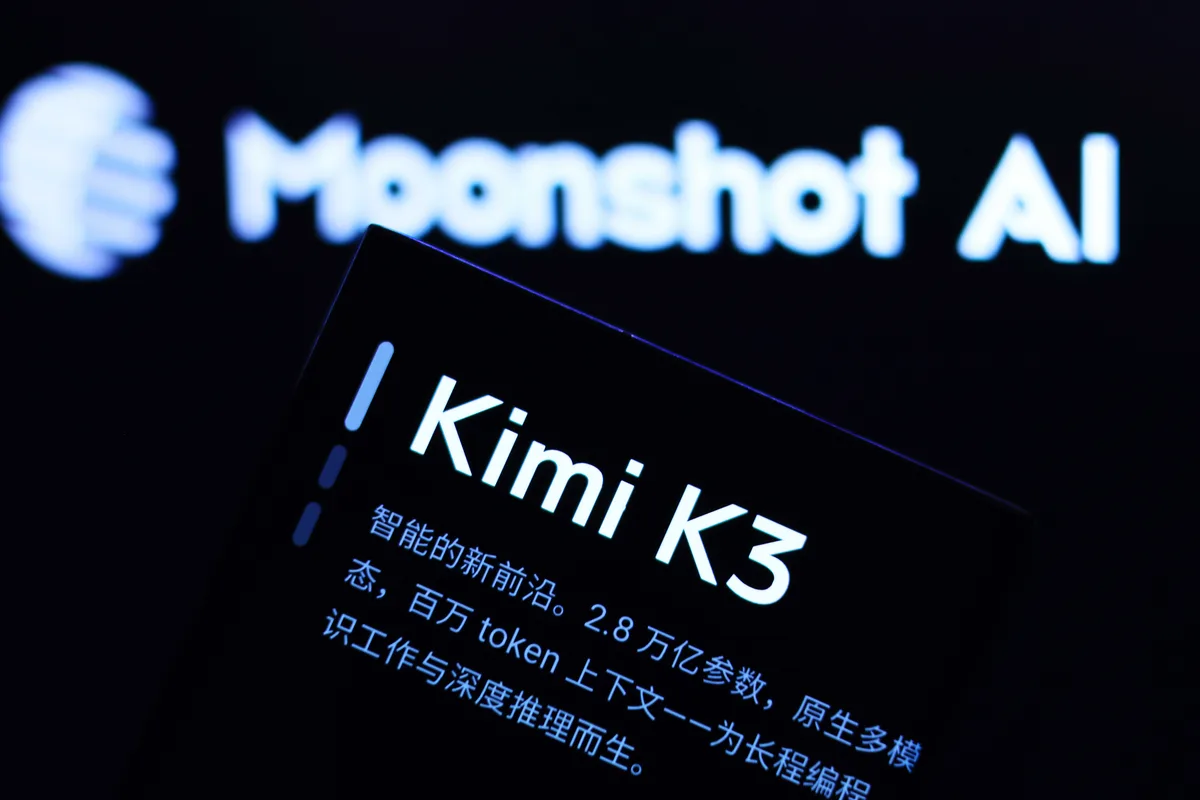
Chinese artificial intelligence companies have found a workaround to U.S. semiconductor export restrictions, reportedly tapping into advanced Nvidia computing power through overseas cloud service providers — a gap that American lawmakers are now scrambling to address. The development underscores how existing export control frameworks, designed to limit China's access to cutting-edge AI hardware, may be outpaced by the speed and flexibility of cloud computing infrastructure.
The U.S. government moved to restrict exports of Nvidia's most powerful chips — including high-end accelerators critical for training large AI models — to China in a bid to slow Beijing's military and technological ambitions. But the ban's reach has proven incomplete: by routing workloads through data centers located in third countries, Chinese firms can reportedly gain access to the same forbidden processing power without ever importing the physical hardware.
Read more Gaza Zoo Animals Bear the Brunt of Ongoing Conflict →
The workaround has drawn attention on Capitol Hill, where legislators are weighing options to plug the so-called cloud-access loophole. Closing the gap would likely require new rules targeting not just the sale of chips, but the remote provision of computing services that rely on those chips — a significantly more complex regulatory challenge that could affect American cloud providers operating internationally.
The situation highlights a broader tension in U.S. technology policy: hardware-focused export controls struggle to keep pace with a global cloud economy where geography and physical ownership matter far less than digital access. Analysts warn that without closing this loophole, restrictions on chip exports risk becoming symbolic rather than substantive, allowing adversaries to circumvent them through commercially available cloud infrastructure hosted in allied or neutral nations.
The episode adds urgency to the ongoing debate over how Washington can meaningfully constrain China's AI development without inadvertently handicapping American cloud and semiconductor companies competing globally. Continue reading at US Top News and Analysis.