US-Iran Tensions Could Push Gas Prices Back to $4 a Gallon
Americans recently enjoyed a reprieve at the pump, but escalating US-Iran friction over the Strait of Hormuz threatens to erase those savings.
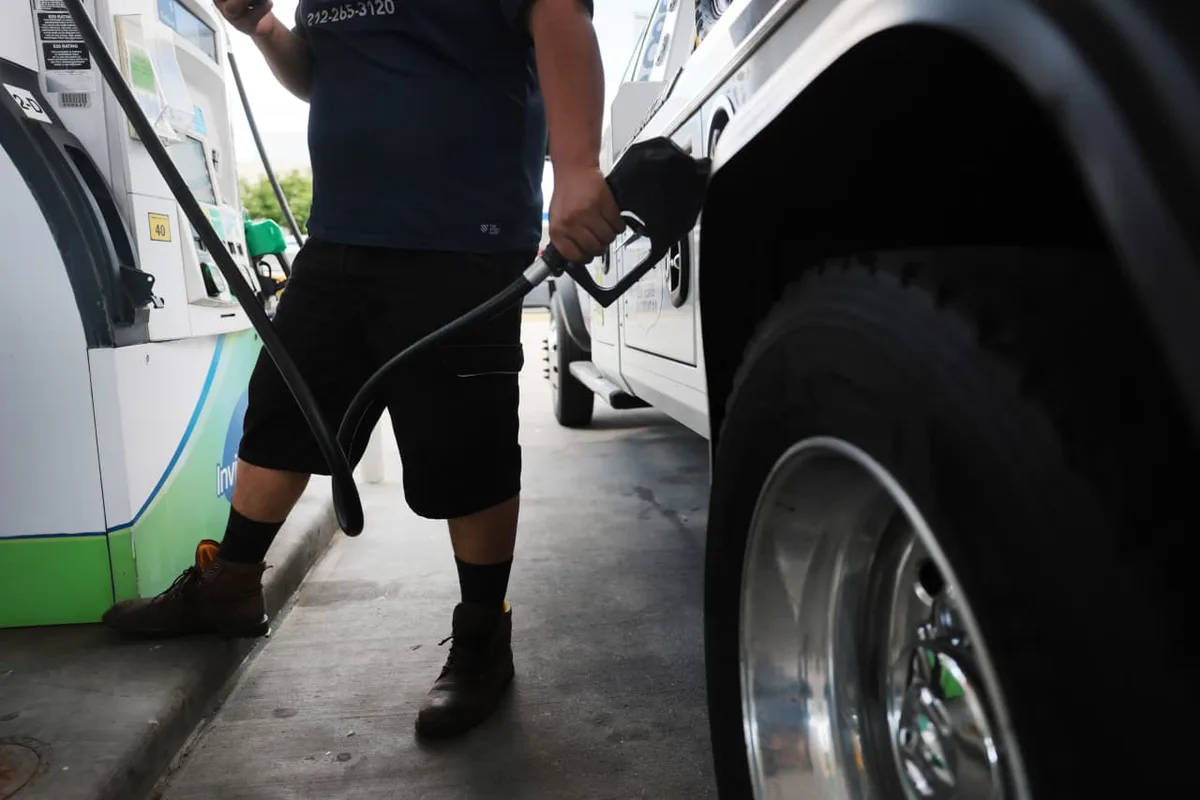
American drivers who welcomed falling gas prices in recent weeks may soon face a rude reversal: renewed US-Iran tensions are raising the specter of $4-per-gallon fuel returning to forecourt signs nationwide. The brief price relief had helped cool broader inflation figures, making the potential reversal a concern not just for motorists but for policymakers tracking the economy.
At the center of the standoff is the Strait of Hormuz, the narrow Persian Gulf chokepoint through which a significant share of global oil supply passes. When the United States and Iran clash over control of that waterway — diplomatically or militarily — energy markets respond swiftly, as traders price in the risk of supply disruptions before any barrel is actually lost.
Read more Japan Reuters Tankan Shows Manufacturing-Services Split in July →
The timing is particularly sensitive. Inflation has been a persistent political and economic headache, and cheaper gas had been one of the few tangible signs of price pressure easing for everyday consumers. A fresh spike in crude driven by geopolitical risk would flow directly into pump prices, potentially undermining months of progress on the inflation front.
Analysts watching the Gulf region warn that even the threat of confrontation, short of actual conflict, is enough to jolt oil futures higher and translate within days into higher costs at the pump. The dynamic places American consumers in a precarious position, their fuel bills tethered to diplomatic developments thousands of miles away that they have no ability to influence.
Continue reading at MarketWatch.com