VIX Rises Alongside Stocks in a Rare Market Anomaly
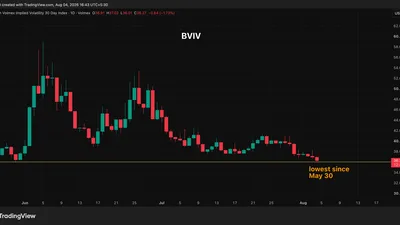
Wall Street's fear gauge is climbing even as stocks hit record highs, an unusual pattern that occurs only about 20% of the time.
Wall Street is witnessing a rare and unsettling divergence: the Cboe Volatility Index, widely known as the VIX or the market's "fear gauge," is rising in tandem with stocks that are simultaneously hitting record highs. According to data cited by CNBC, this unusual correlation occurs only roughly 20% of the time, making the current environment statistically uncommon and drawing sharp attention from traders and analysts alike.
Under normal market conditions, the VIX and equity prices move in opposite directions — when stocks rally, investor anxiety tends to subside, pushing volatility measures lower. The fact that both are climbing together suggests that beneath the surface optimism driving record equity levels, a meaningful segment of the market is paying elevated prices to hedge against potential downside risk.
Read more Broadcom Upgraded to Buy on AI Compute and Supply-Chain Strength →
This kind of divergence can serve as an early warning signal, indicating that sophisticated market participants are not fully convinced the rally is built on solid footing. When investors simultaneously bid up stocks and buy protective options — the primary driver of VIX readings — it implies a hedged bullishness rather than outright confidence, a nuanced posture that warrants close monitoring.
For retail investors, the pattern raises practical questions about portfolio positioning. A VIX that refuses to fall even during record-setting market sessions may reflect underlying uncertainty about macroeconomic conditions, geopolitical risks, or valuation concerns that haven't yet shown up in headline index performance. Historically, prolonged periods of this unusual co-movement have sometimes preceded periods of increased turbulence.
Continue reading at US Top News and Analysis.