
Wall Street Revives 'Sell Chips, Buy Software' Trade in Volatile Week
Investors shifted from semiconductors to software stocks as Wall Street closed out another turbulent week of trading.
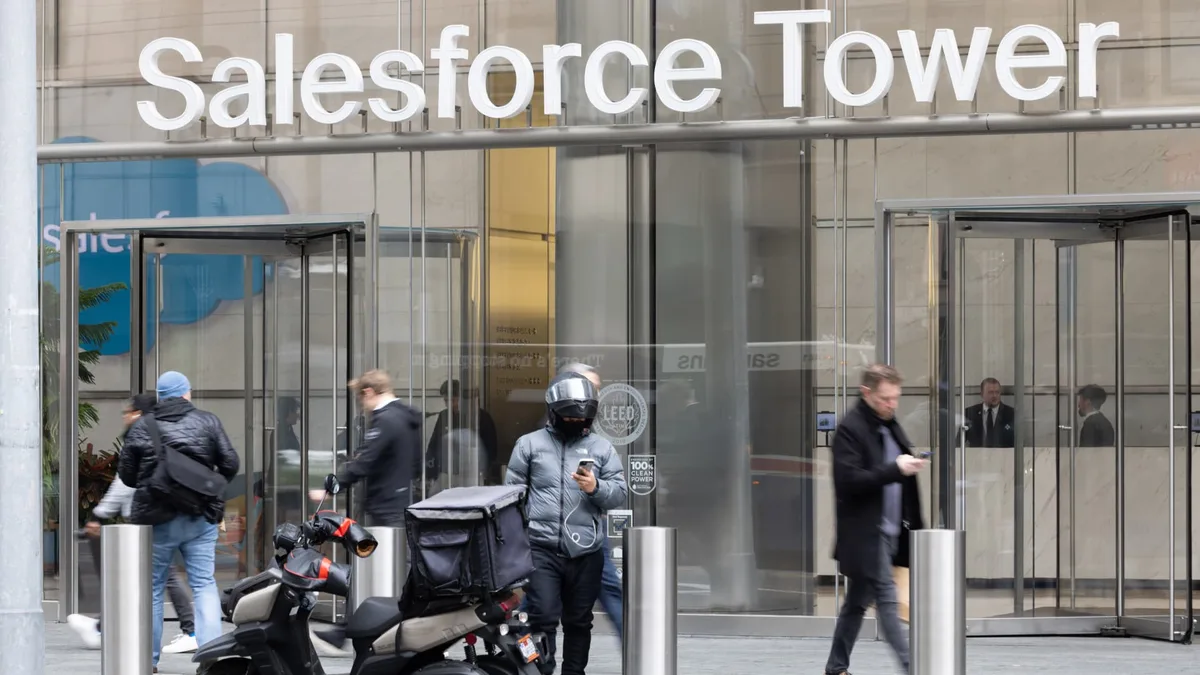
A familiar rotation trade resurfaced on Wall Street Friday as investors dumped semiconductor shares in favor of software stocks, capping a week marked by sharp swings across equity markets. The so-called 'sell chips, buy software' strategy has periodically emerged during periods of uncertainty, reflecting shifting risk appetites among institutional and retail traders alike.
The move signals that some investors are reassessing exposure to hardware-dependent chipmakers — whose fortunes are closely tied to manufacturing cycles and global supply chains — and rotating into software companies seen as more insulated from macro headwinds. Software firms tend to carry higher recurring revenue streams and lower capital expenditure requirements, making them relatively attractive during periods of economic ambiguity.
Read more Iran Rejects US Ceasefire Bid as Strait of Hormuz Stays Shut →
The resurgence of this trade underscores how quickly sentiment can shift in the current market environment, where tariff concerns, Federal Reserve policy uncertainty, and mixed earnings signals have kept traders on edge. Volatility has become a defining feature of 2025 trading sessions, forcing portfolio managers to make tactical adjustments with increasing frequency.
CNBC's Investing Club flagged the rotation in its Homestretch newsletter, an actionable afternoon briefing published each weekday ahead of the final hour of trading. The alert gave subscribers a real-time read on the sector dynamics playing out before the closing bell, highlighting how the chips-to-software shift was influencing late-session price action.
Whether the rotation has staying power or represents a short-term tactical move remains to be seen, but its reappearance points to lingering caution around chipmakers even as artificial intelligence demand continues to underpin long-term bullish narratives for the sector. Continue reading at CNBC.